You may also like

南華微光 ◼ 大武山脈下的幾何山水
2022
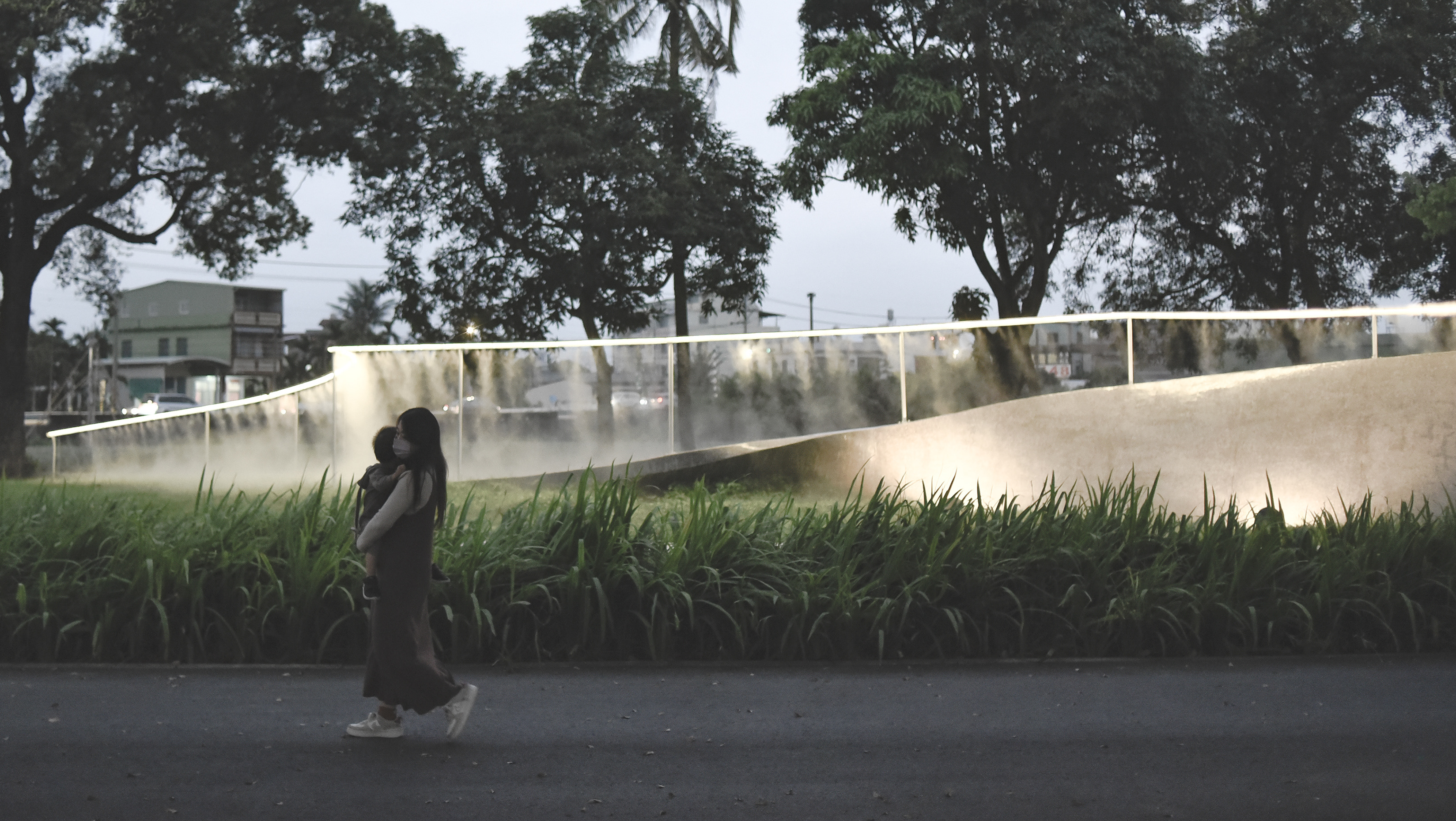
『南華微光』 基地原址為南華國小,停辦後轉型為無人機專業操作訓練場與農創基地。設計團隊融入北大武山山脈稜線的起伏與霧氣沿山嵐草坡而下的記憶,重現在這片場域。 本篇色調上呈現較低飽和度,也是想藉此回應本次地景宛若潑墨山水般的詩意。 設計單位:一起設計Atelier Let’s+丁尺建築師事務所JR Architects 設計顧問:和光接物環境建築設計 結構設計:圓剛工程顧問有限公司 燈光設計:瓦豆WEDO Lighting 植栽設計:原生環境設計整合 施工單位:久騰營造有限公司 『南華微光』 基地原址為南華國小,停辦後轉型為無人機專業操作訓練場與農創基地。設計團隊融入北大武山山脈稜線的起伏與霧氣沿山嵐草坡而下的記憶,重現在這片場域。 本篇色調上呈現較低飽和度,也是想藉此回應本次地景宛若潑墨山水般的詩意。 The original site of the base was Nan Hua Elementary School, which was transformed into a professional drone operation training ground and an agricultural innovation base after its closure. The design team incorporated the undulating ridges of the Beidawu Mountain range and the memory of mist flowing down the grassy slopes, recreating this landscape. The color tone in this piece presents a lower saturation, aiming to respond to the poetic quality of the landscape, reminiscent of ink wash painting.
KITAYA PARK北谷公園
2024
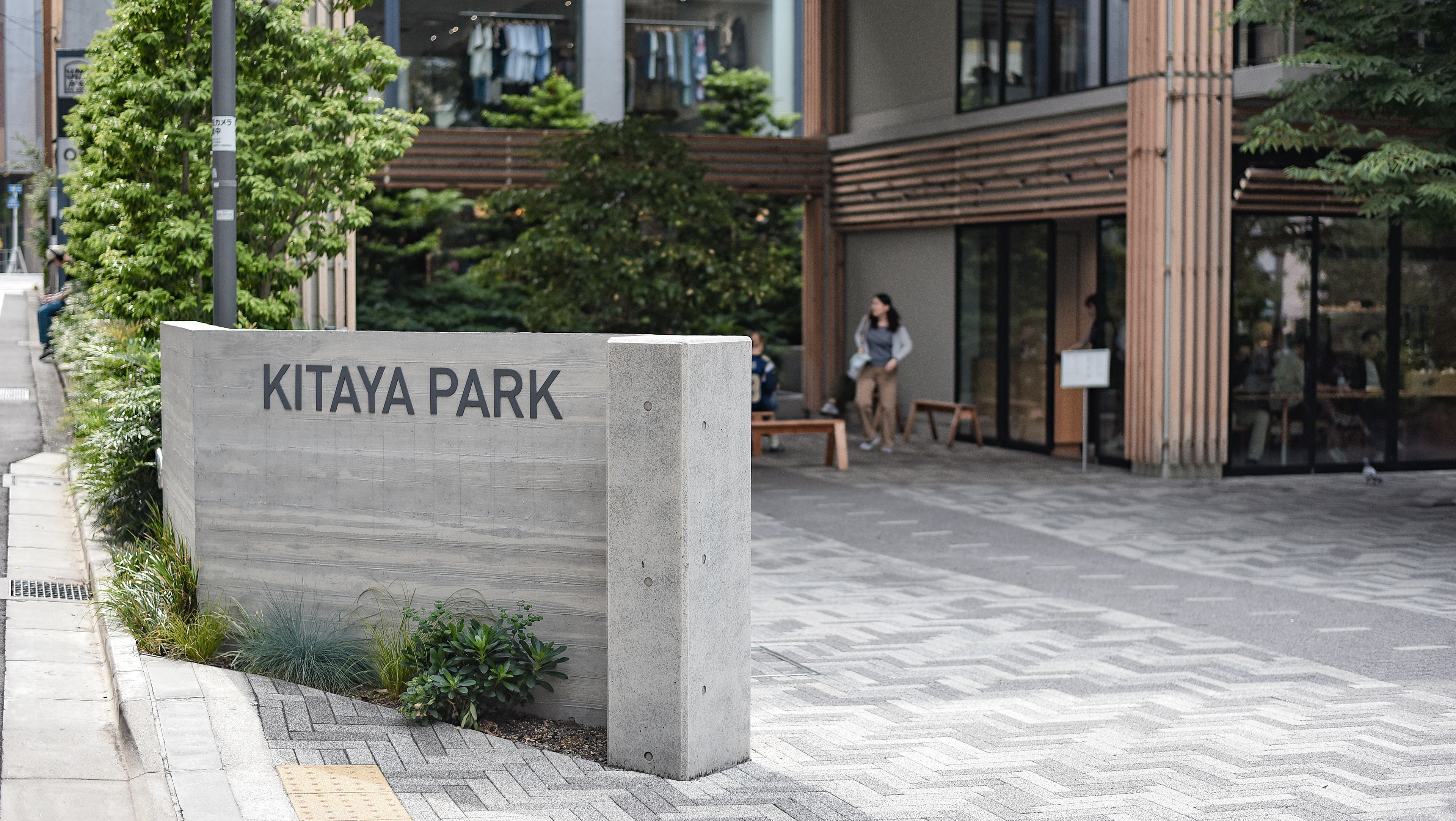
北谷公園『Kitaya Park』為東急集團、株式會社與日建設計所組團隊於2021年改造完成,配合近年東京都修改都市公園法, Park-PFI公募設置管理制度,賦予私人企業開發與經營權,換取公共空間的改善或公共建設的互利模式,尤其北谷公園這塊從原有法定容積2%上限值提高至12%,更對原有腹地不大的地塊成為一大助力。 北谷公園的另一大特色為地形的高低段位差,地塊設計利用花台與階梯的錯落保留了通透的視野,而視野最佳的位置則留給了目前外包經營的Blue Bottle。本案從前期開發整合到因應地形設計至最後運營管理皆全盤考慮,使北谷公園雖為口袋鄰里公園尺度,但軟硬體兼顧的全方位策略是極其成功的關鍵因素。 Kitaya Park was transformed in 2021 by a team from the Tokyu Group and Nikken Sekkei. This project aligns with recent amendments to Tokyo's Urban Park Law, which introduced the Park-PFI public offering management system, granting private enterprises the rights to develop and operate parks in exchange for improvements to public spaces or mutual benefits in public construction. Notably, the allowable floor area ratio for Kitaya Park was increased from the original statutory limit of 2% to 12%, providing significant support for the relatively small plot of land. Another major feature of Kitaya Park is the variation in elevation across the terrain. The design of the site incorporates flower beds and staggered steps to maintain an open view, with the best vantage point reserved for the currently outsourced operator, Blue Bottle. The project considered everything from initial development integration to terrain-responsive design and final operational management, making Kitaya Park, despite its small neighborhood park scale, a highly successful example of a comprehensive strategy that balances both soft and hard elements.
美因河畔法蘭克福Frankfurt am Main
2018
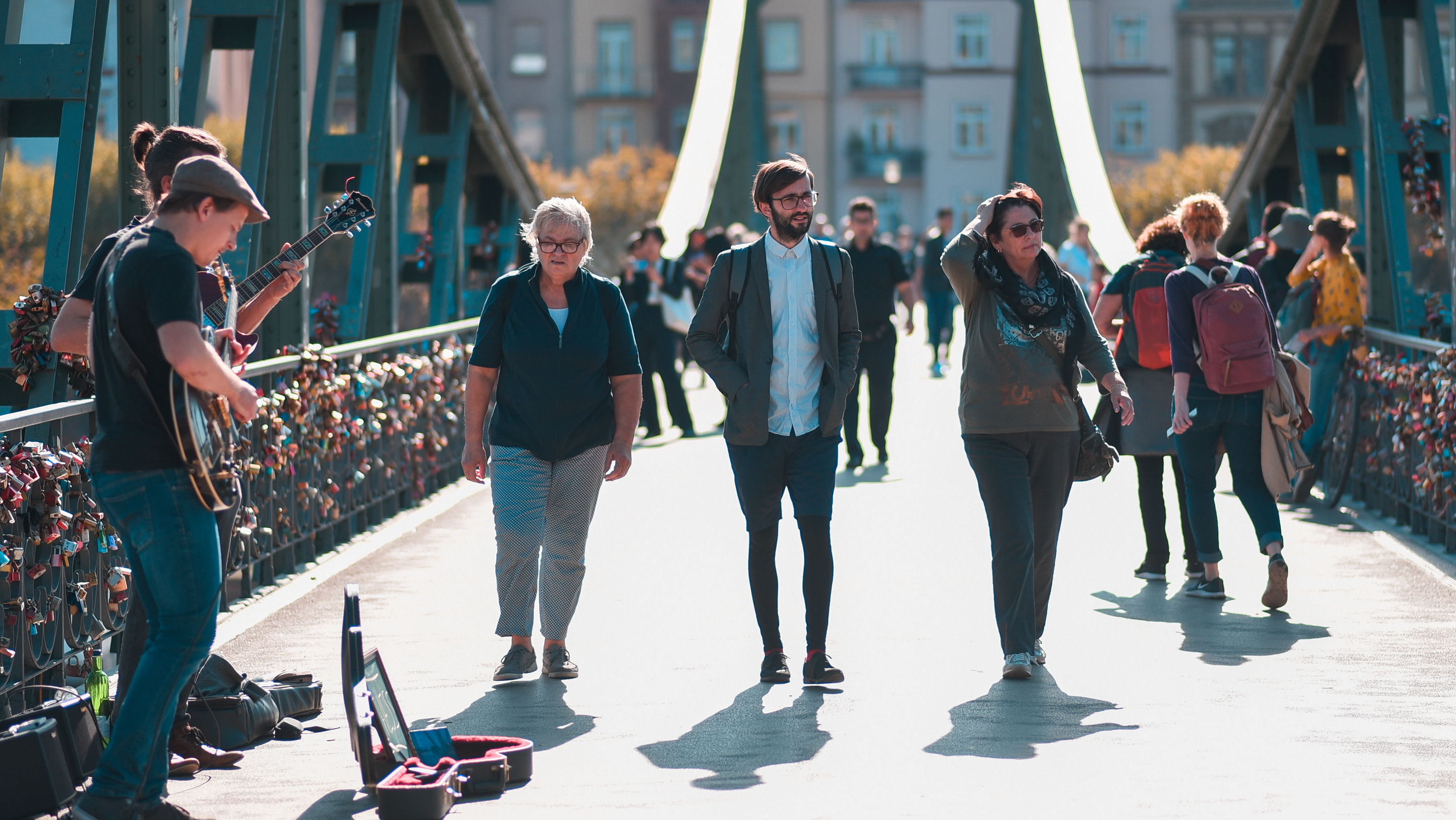
法蘭克福,正式全名為美因河畔法蘭克福,是德國中西部黑森邦的第一大城市,也是德國第五大城。
OMO5 Tokyo Otsuka By Hoshino R
2024
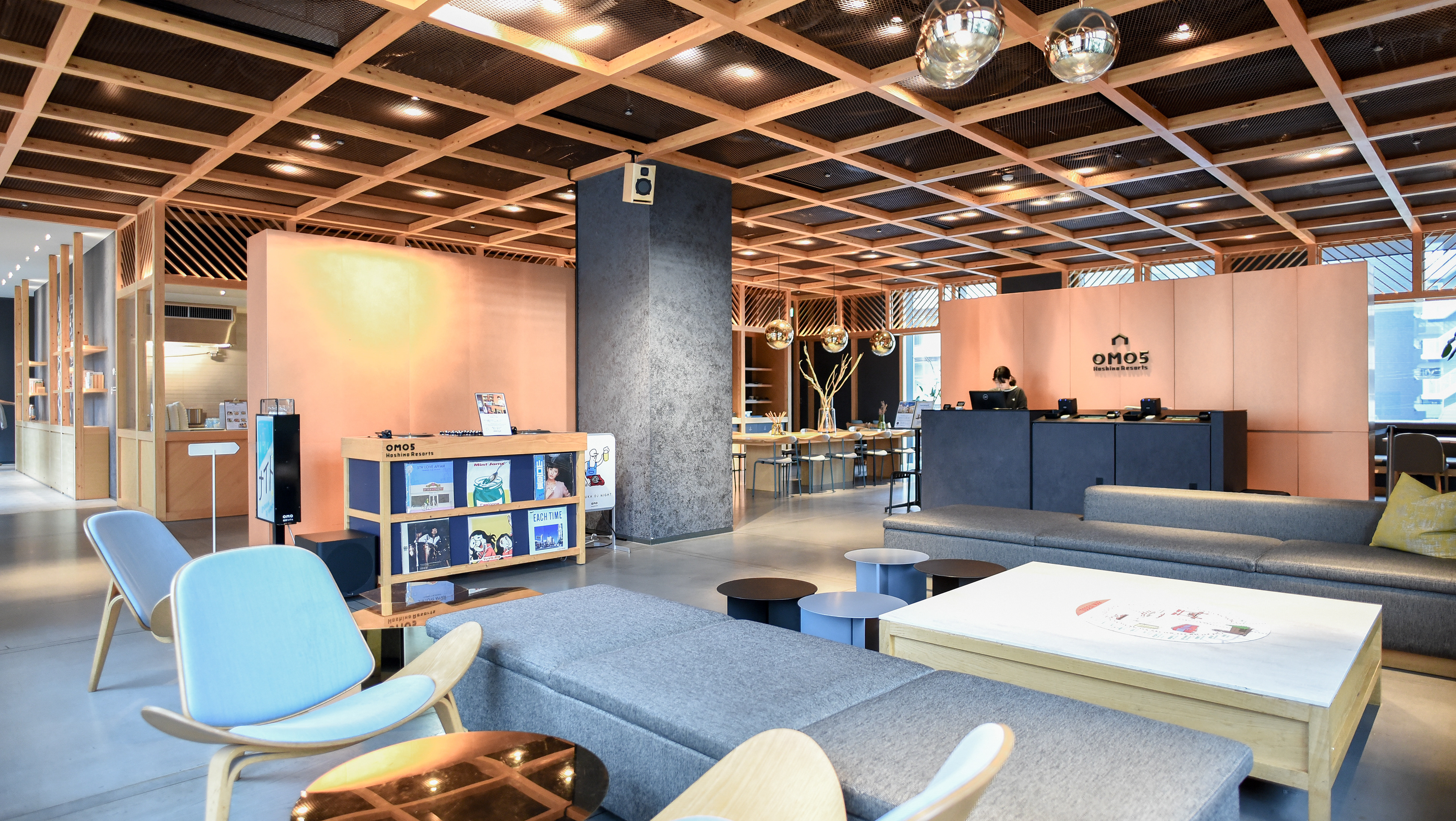
OMO5大塚,以大塚站與荒川線為鄰,旅店以電車為元素布置。
明治神宮 Meiji Jingū
2017
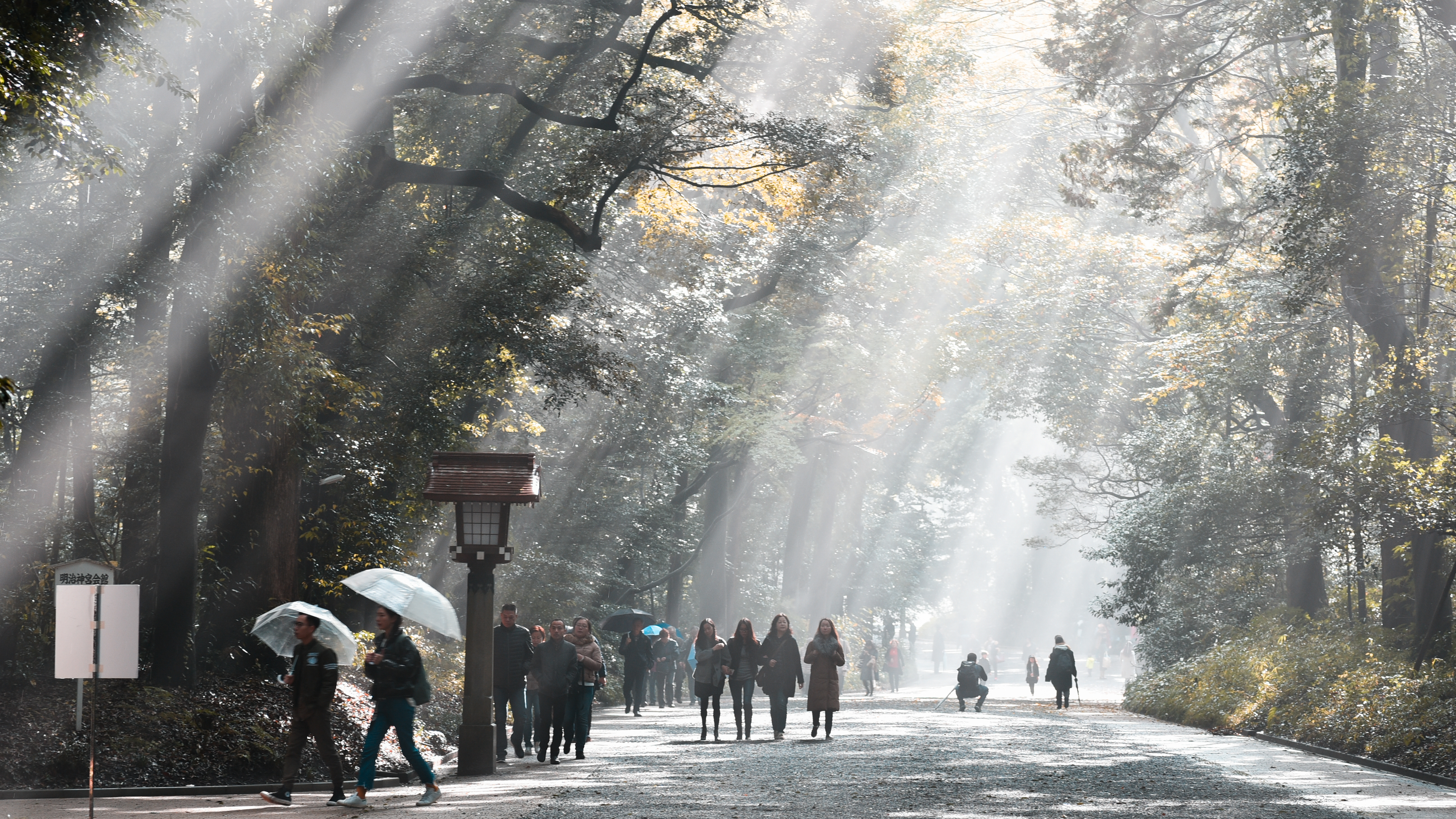
明治神宮在2020年已邁入100周年,神宮建造時,計畫未來能成為完全的仿生自然林。70公頃的林木的種植計畫是仿造自然生態的自生自滅、自給自足「自然更新」法,經過精密計算樹木盛衰營造所要的林相景觀,初建期以代表權威的松樹群為主樹層,數十年後柏樹群成為上層主樹,接著百年後是常綠喬木闊葉樹,如椎樹、橡樹、櫧樹、楠樹、樟樹、櫟樹等,從全國各地募集這些適合東京地形氣候溫度等,當時還有從中國東北部朝鮮國等進口樹種。 Meiji Shrine celebrated its 100th anniversary in 2020. When the shrine was constructed, the plan was to eventually create a fully biomimetic natural forest. The 70-hectare tree planting plan was designed to mimic the self-sustaining and self-renewing "natural regeneration" method of natural ecosystems. Through precise calculations of tree growth and decline, the desired forest landscape was created. In the initial phase, the dominant tree layer consisted of authoritative pine trees, and after several decades, cedar trees became the upper dominant layer. A century later, evergreen broadleaf trees such as chinquapin, oak, zelkova, camphor, and other species would take over. Trees suitable for Tokyo's terrain and climate were collected from various regions across the country, and at that time, tree species were also imported from Northeast China and Korea.
TEAMLAB PLANETS TOKYO
2018
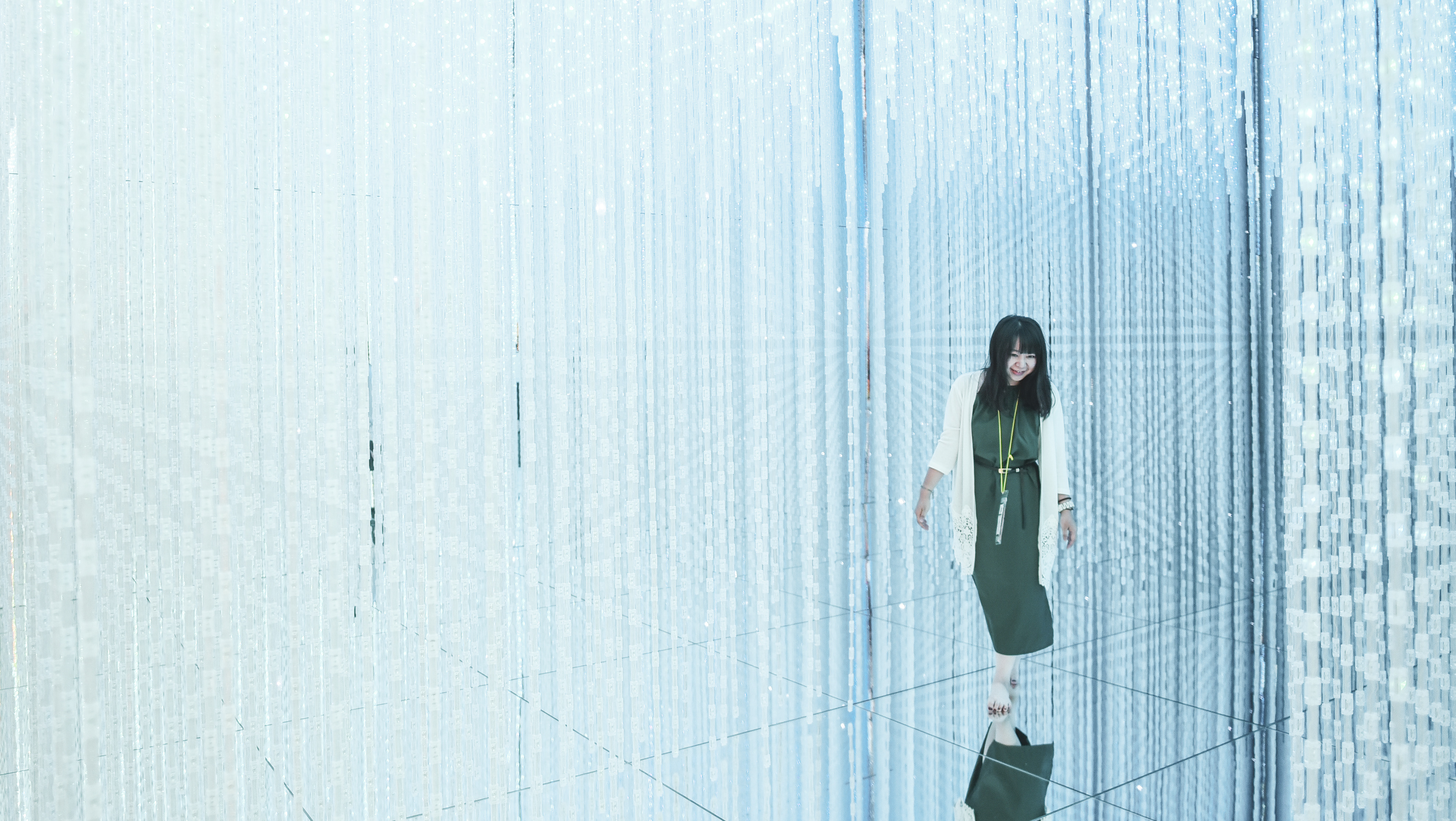
teamLab是創立於2001年的藝術團隊,由跨領域專業人士聚集而成,目標通過共同創作的行為融合藝術、科學、技術、設計、以及自然界。團隊成員包括藝術家、工程師、CG動畫師、數學家、建築師等。豐洲展館為2018年開幕,集結光影體感的藝術作品,本館更加入了水的互動元素,重置人的感官體驗,與作品融為一體。「Plants是為了讓人重新思考與世界的關係,盡力將每個作品做到極致,使人忘我地沉浸其中」-teamLab創辦人 豬子壽之 teamLab is an art collective founded in 2001, composed of professionals from various fields, aiming to integrate art, science, technology, design, and nature through collaborative creation. The team includes artists, engineers, CG animators, mathematicians, architects, and more. The Toyosu Pavilion, which opened in 2018, features art installations that combine light, shadow, and sensory experiences, and incorporates interactive water elements to reset human sensory experiences, merging the audience with the artwork. "Plants is designed to encourage people to rethink their relationship with the world, striving to perfect each piece so that one can immerse themselves and lose track of time," said teamLab founder Toshiyuki Inoko.
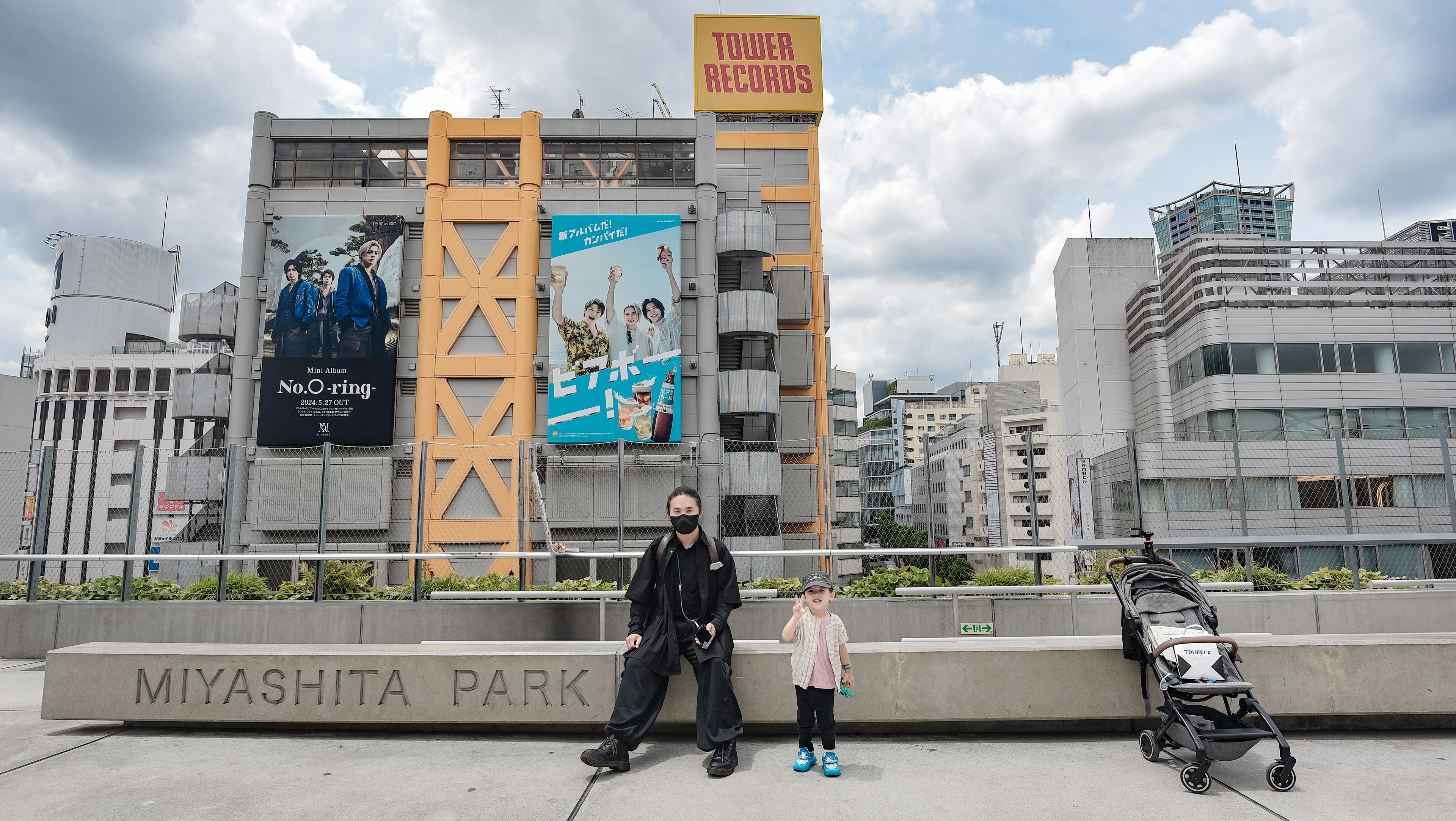
Miyashita Park
2024
湖岸東公園lake shore east park
2016
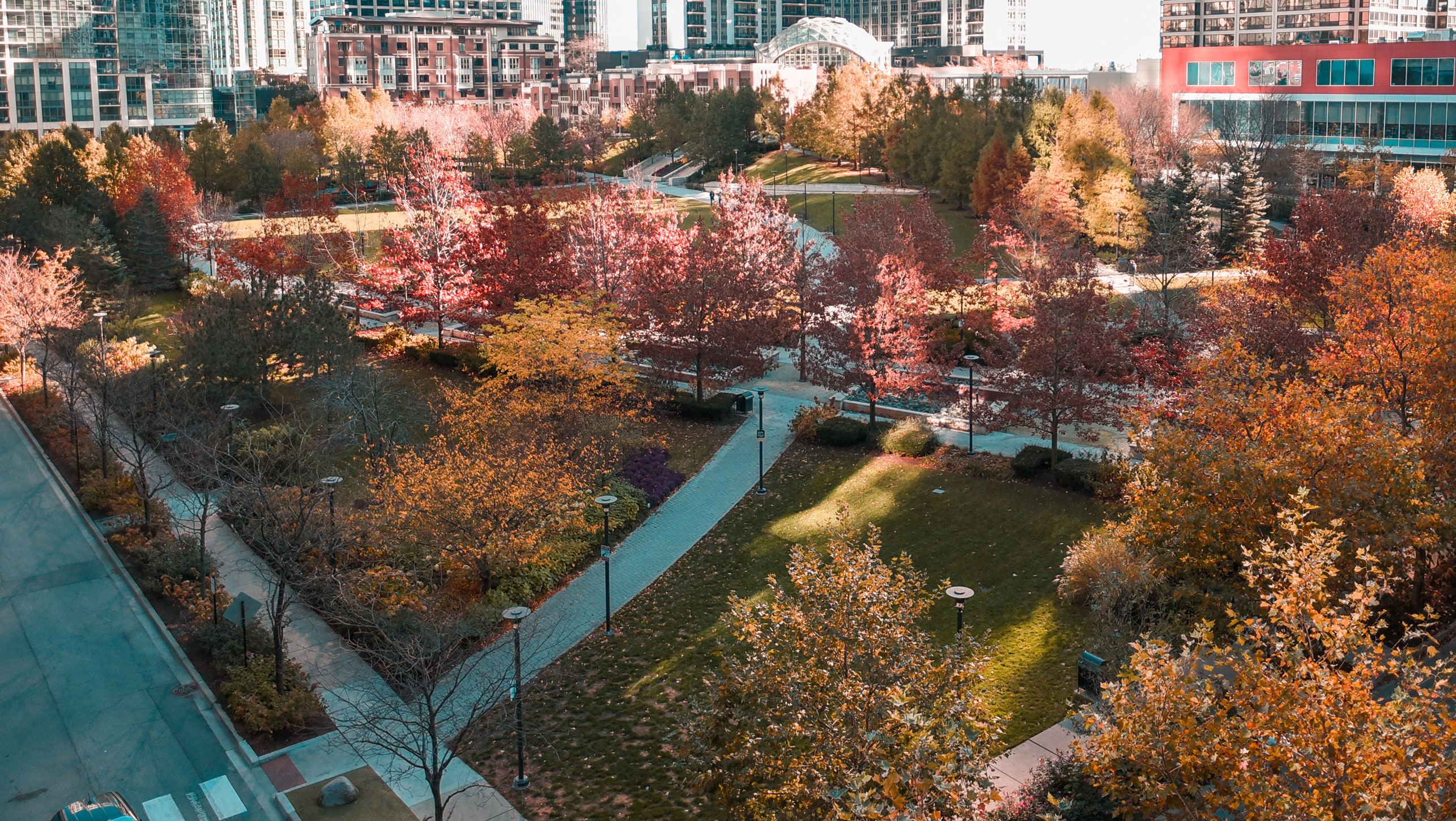
湖岸東公園作為整體開發案核心處,四面環繞住商複合式大樓,所面臨的挑戰之一便是媒合新闢園區與既有三層街道系統中,同時營造出一個吸引視覺和對行人友好的社區。解決方案以複層動線將車輛與地面設施和建築入口錯開,改由三層街道系統的中層與下層出入。因此利用周邊多層次的街道網絡,在建築的中下層設有大型停車場,而最上層的湖岸東公園 (Lakeshore East Park) 構成了發展的核心。 Lakeshore East Park, as the core of the overall development project, is surrounded on all sides by mixed-use commercial and residential buildings. One of the challenges it faces is to integrate the newly developed park area with the existing three-tier street system while creating a visually appealing and pedestrian-friendly community. The solution involves a multi-level circulation design that separates vehicle access from ground-level facilities and building entrances, directing traffic to the middle and lower levels of the three-tier street system. As a result, a large parking facility is located on the mid and lower levels of the buildings, while the top level features Lakeshore East Park, which serves as the heart of the development.
樁森 Tsubakimori Komuna
2022
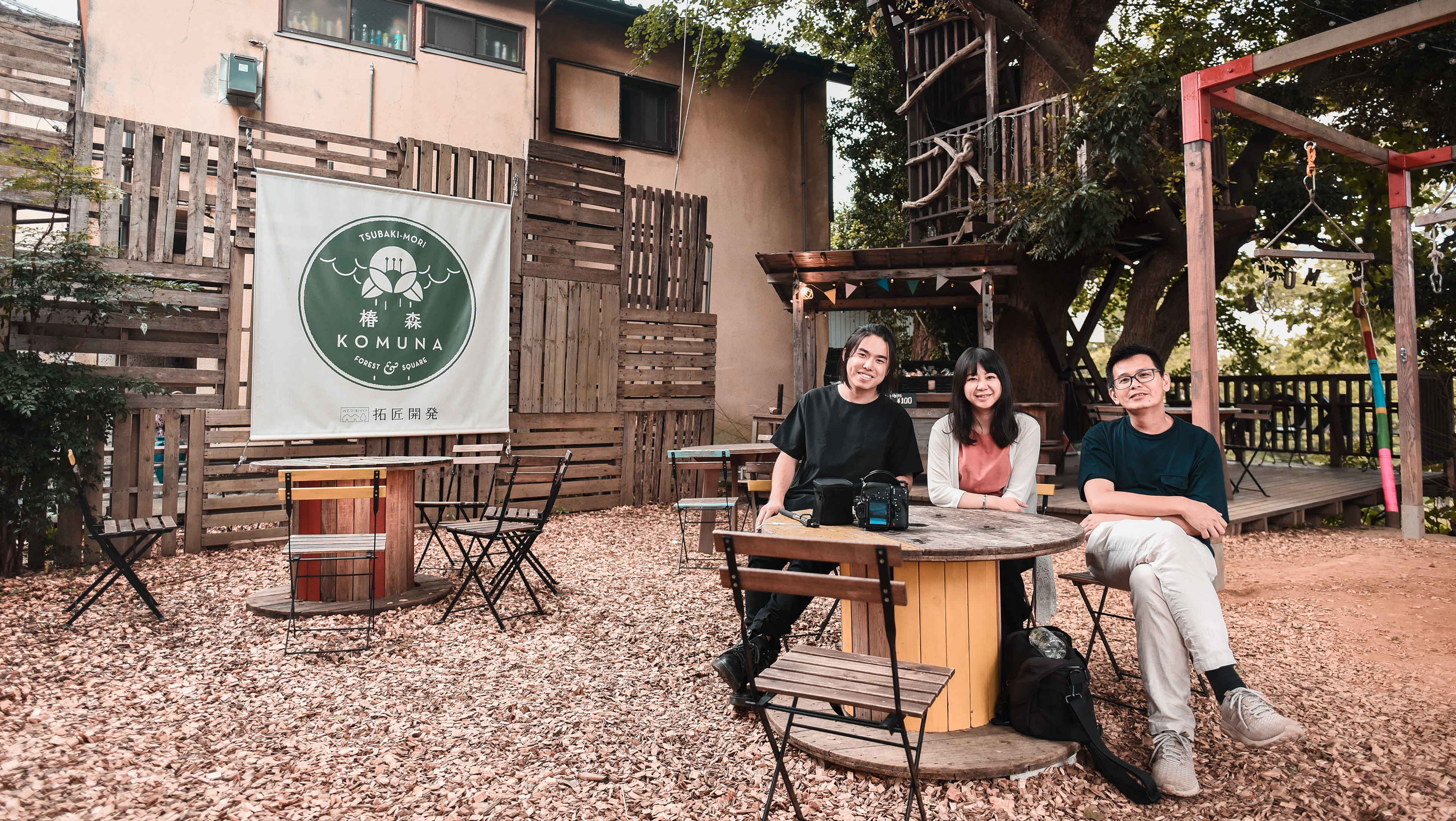
樁森為在千葉市中心,與千葉公園隔著一條高架電車路網,為一袖珍型開放空間。樁森內宛若家院般的元素隨處可見,樹屋、吊床、帳篷以及錯落的座椅配置等,可隨著地上枕木的交錯引導至各處的小屋節點,也可踩踏著碎木塊及樹木皮鬆填材,隨興的找塊角落歇憩。 Tsang Sen is a miniature open space located in the center of Chiba City, separated from Chiba Park by an elevated tram network. Elements reminiscent of a home garden can be found throughout Tsang Sen, including tree houses, hammocks, tents, and scattered seating arrangements. Visitors can navigate through various small cabin nodes guided by the interspersed wooden sleepers on the ground, or they can step on the wood chips and loose tree bark filling materials to casually find a corner to rest.
淚滴公園 TEARDROP PARK
2016
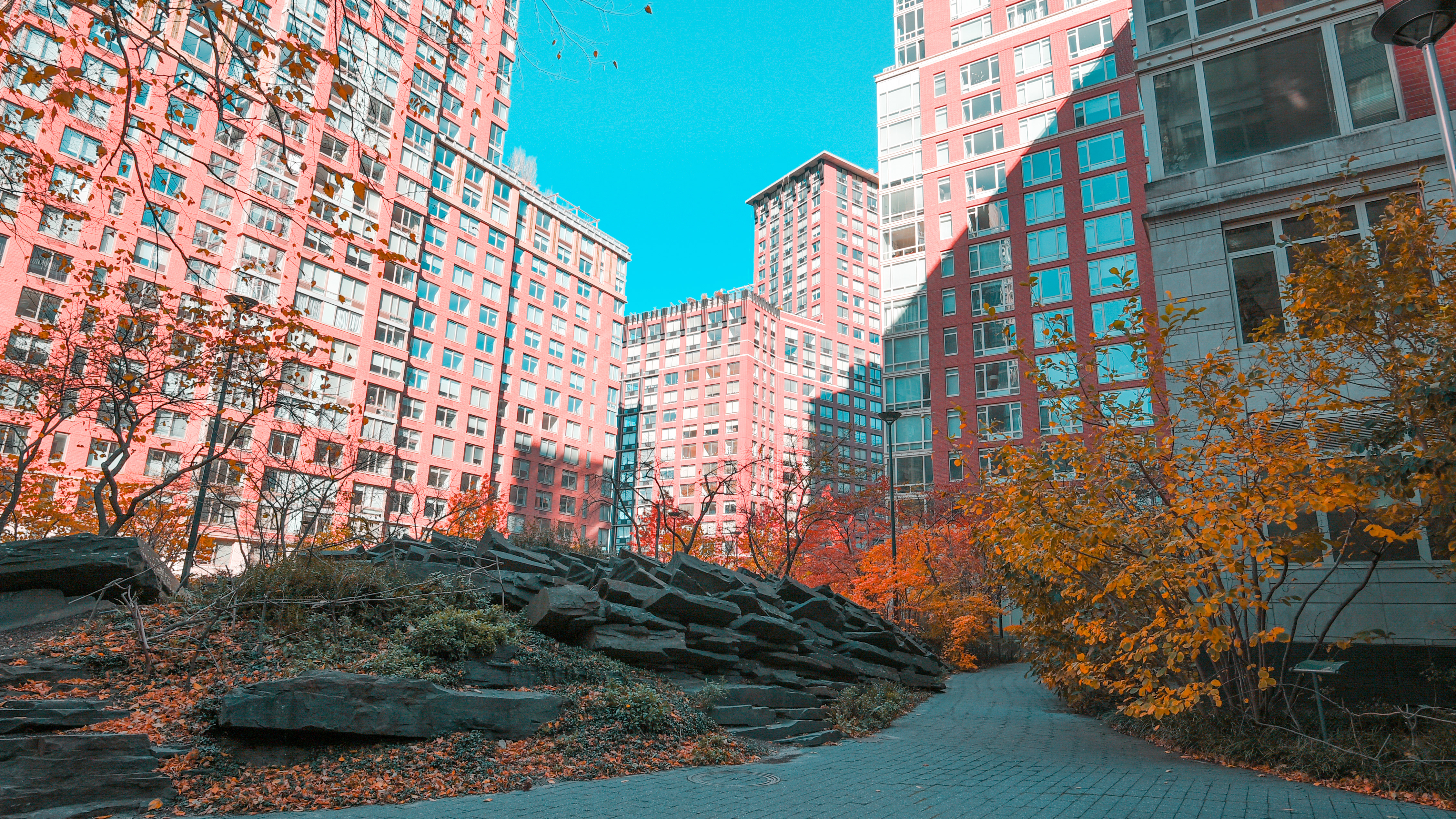
位處曼哈頓島下城區的淚滴公園,為100%人造公園,基盤為填海造陸而成,四周環繞建築群樓。也鑑於此,設計師運用北端較高的地勢與脫離南端的建築,因而得以留設較大面的草坪空間,藉此將陽光引入。而南北之間隔著一道人工砌石牆,兼具收拾地勢高差與彰顯四季變換的表情。每塊石頭加工後依照設計線條於礦場試排模擬,最後再運至公園內按編號砌築。 Tear Drop Park, located in the Lower Manhattan area, is a 100% man-made park, built on land reclaimed from the sea, surrounded by a cluster of buildings. Given this context, the designer utilized the higher terrain at the northern end and the separation from the buildings at the southern end to create a larger lawn space, allowing sunlight to enter. A man-made stone wall separates the north and south, serving both to manage the elevation difference and to highlight the changing seasons. Each stone was processed and arranged according to design lines in a quarry for simulation, and then transported to the park to be constructed according to a numbering system.
Back to Top