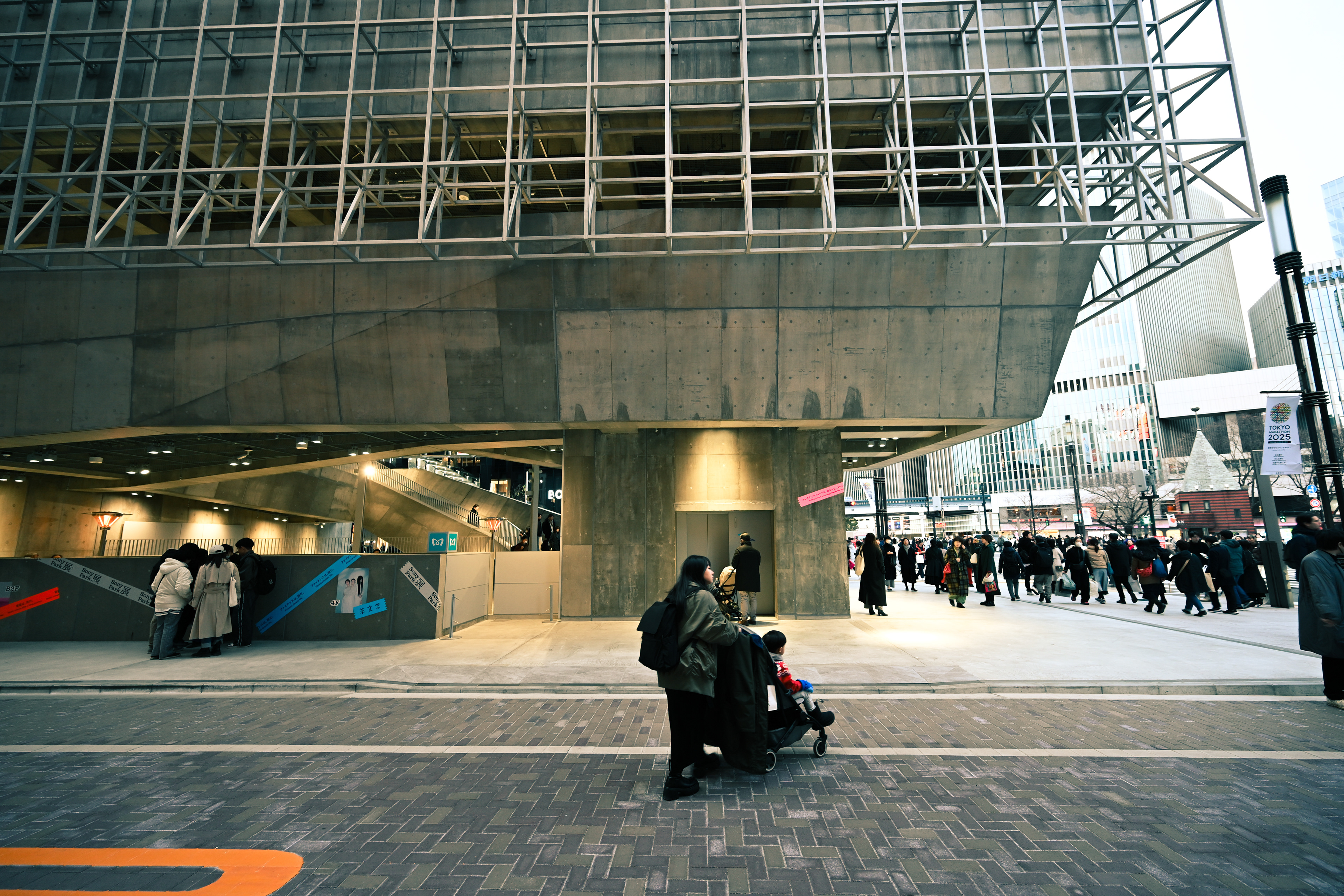
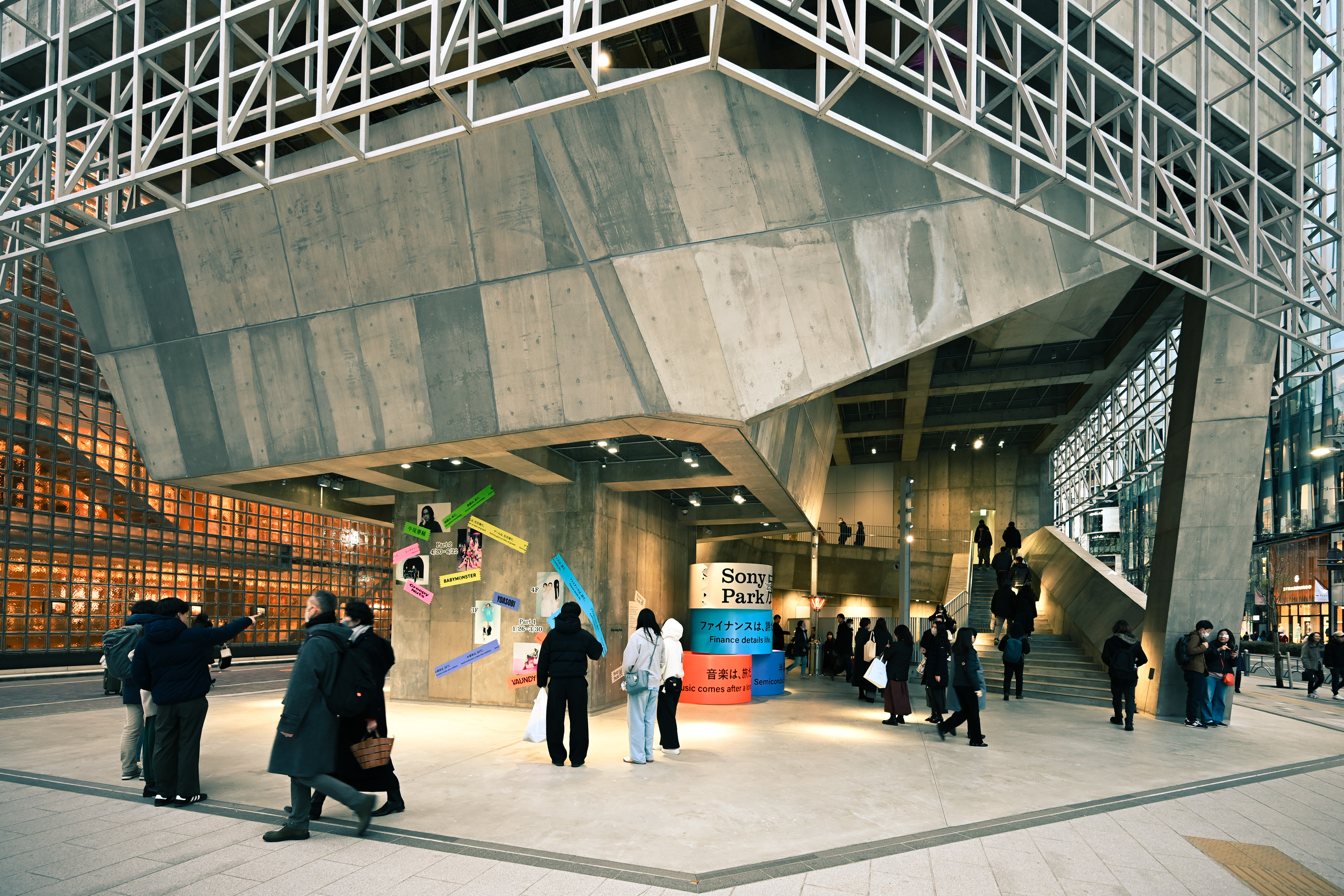
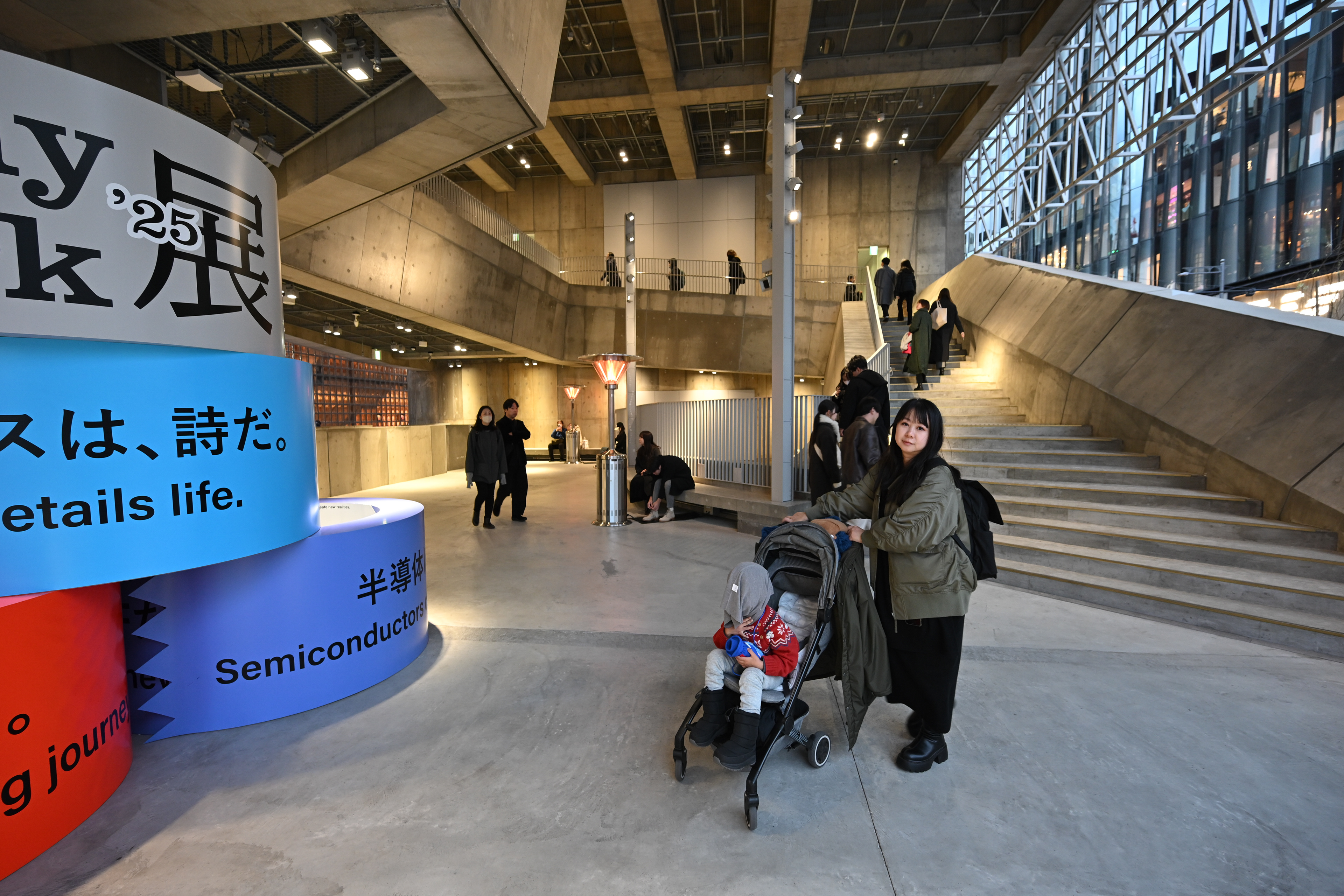
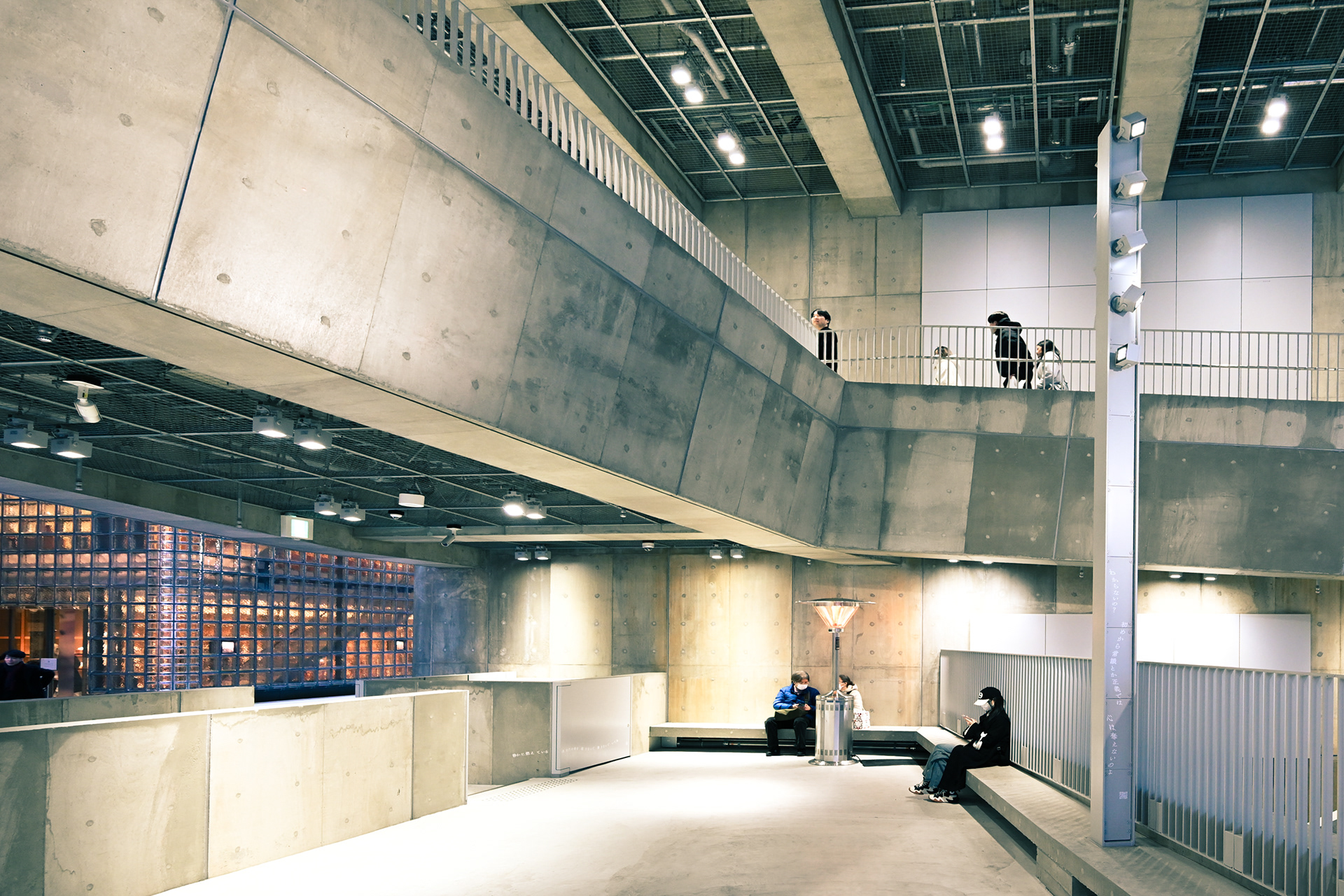
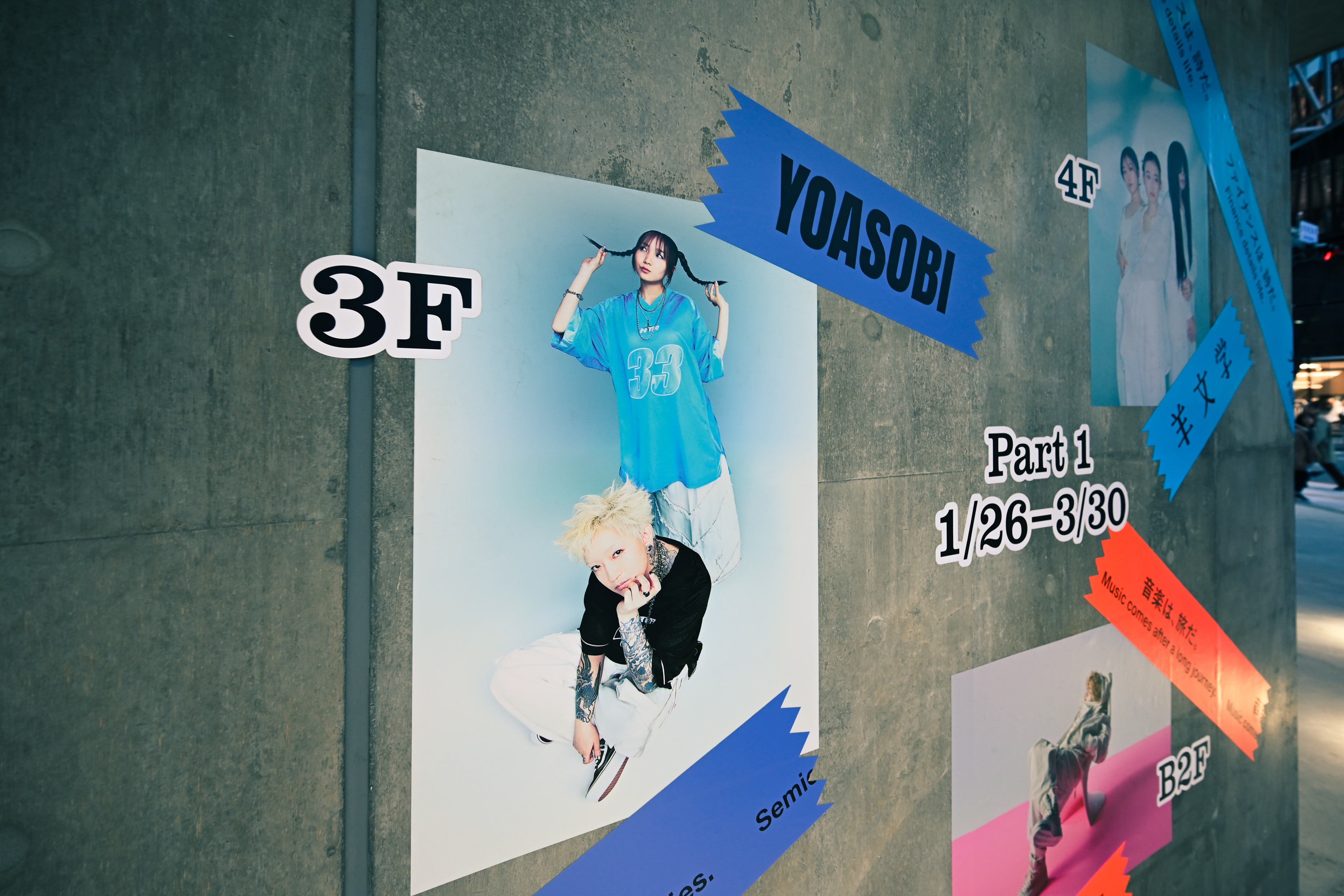
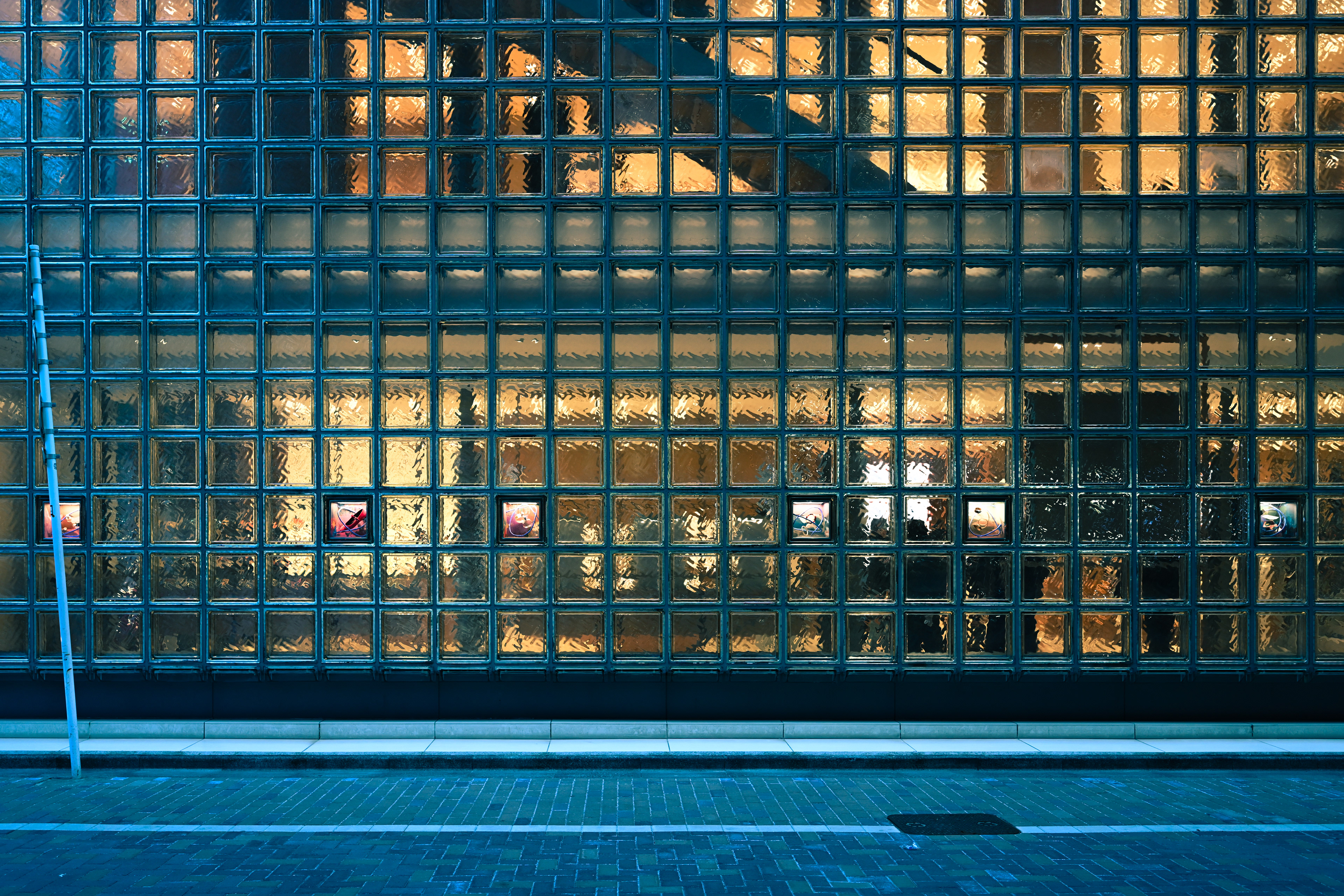
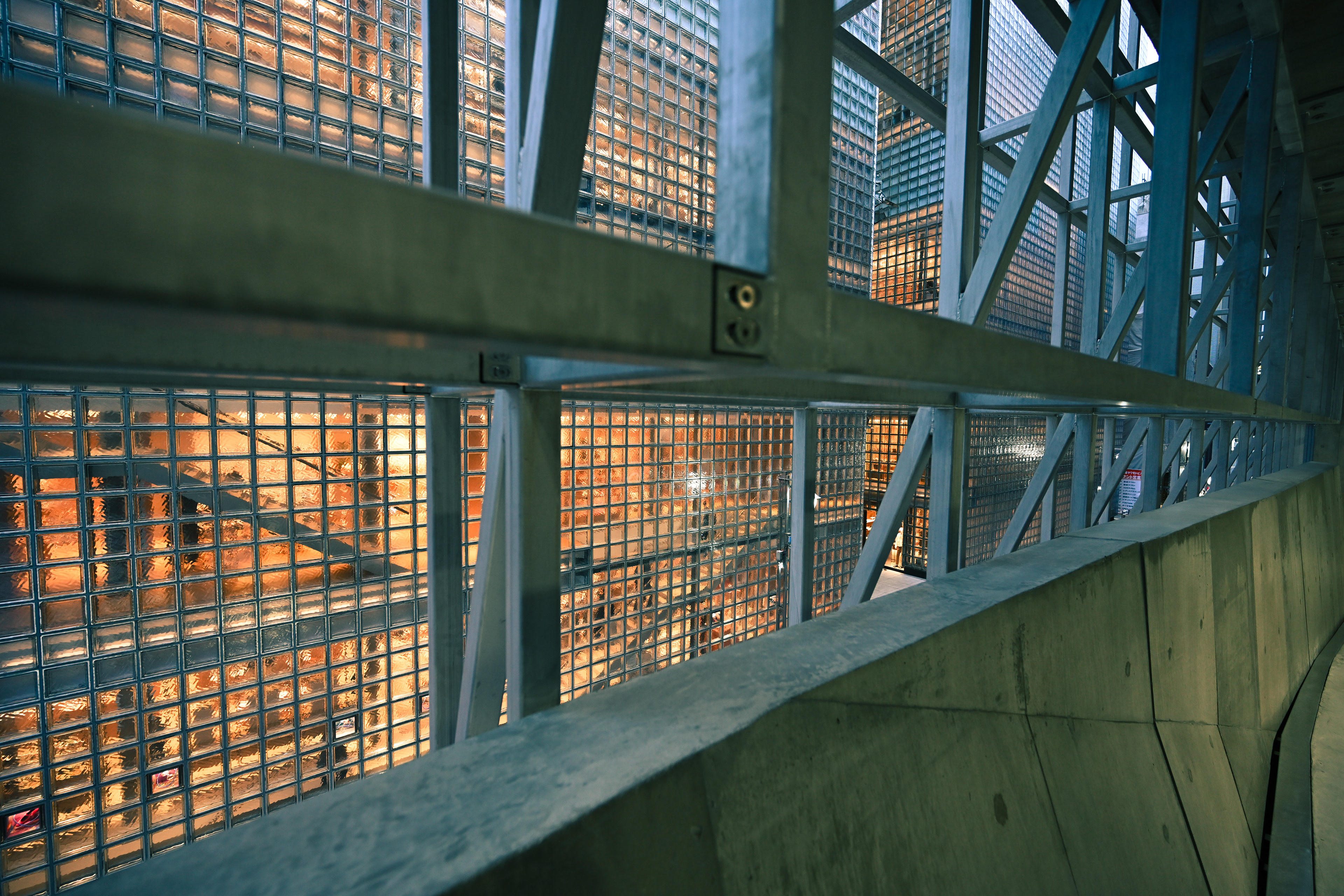
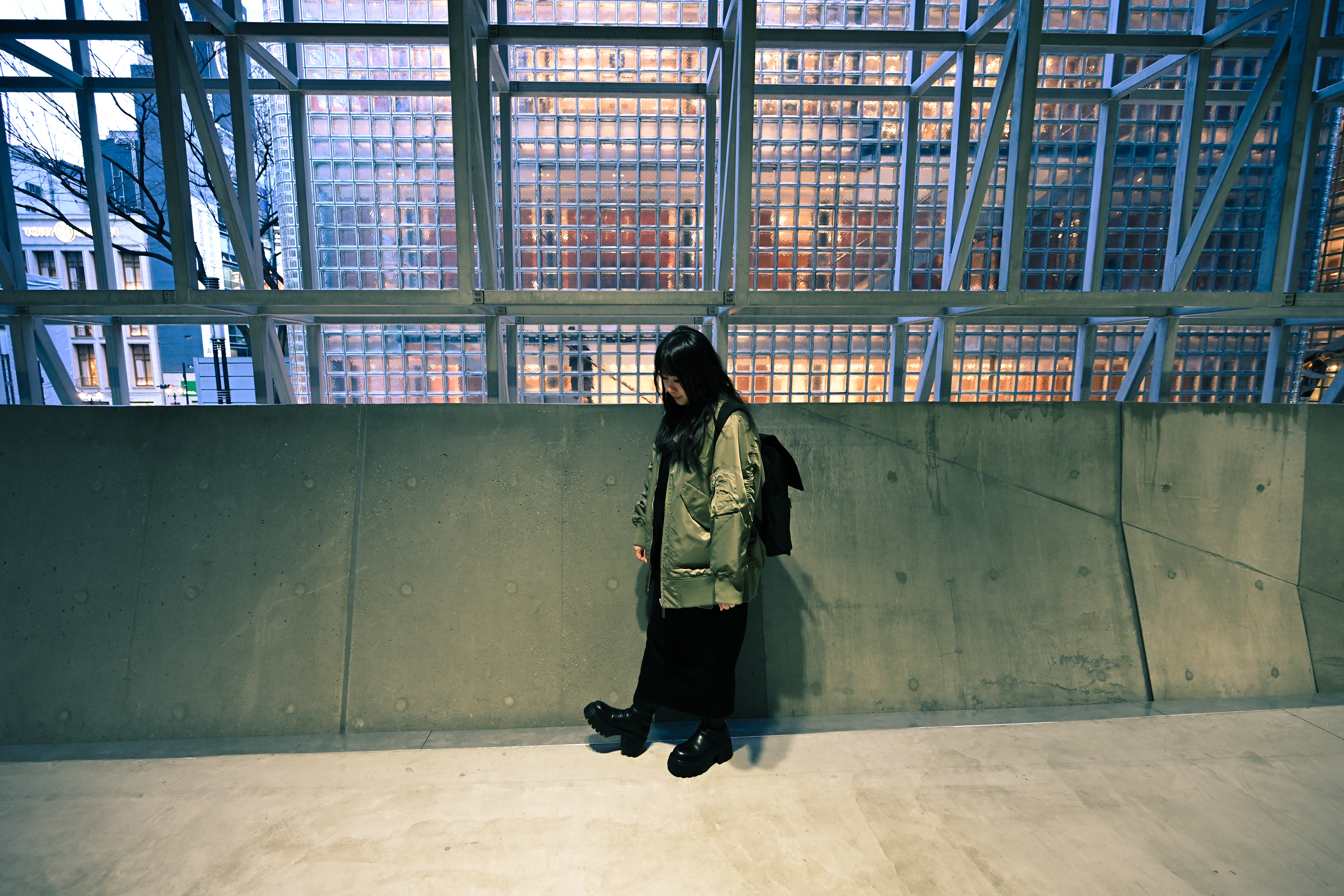
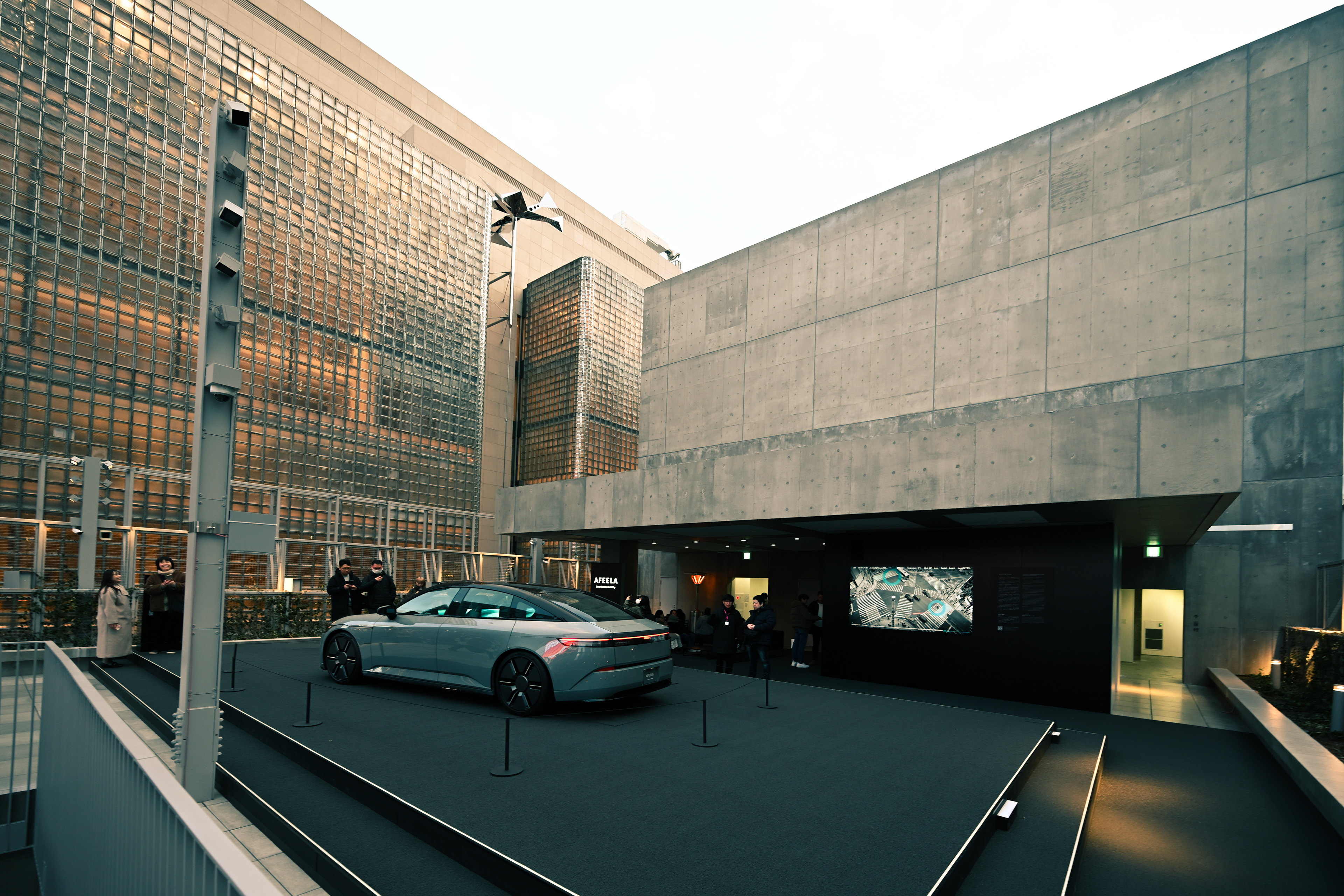
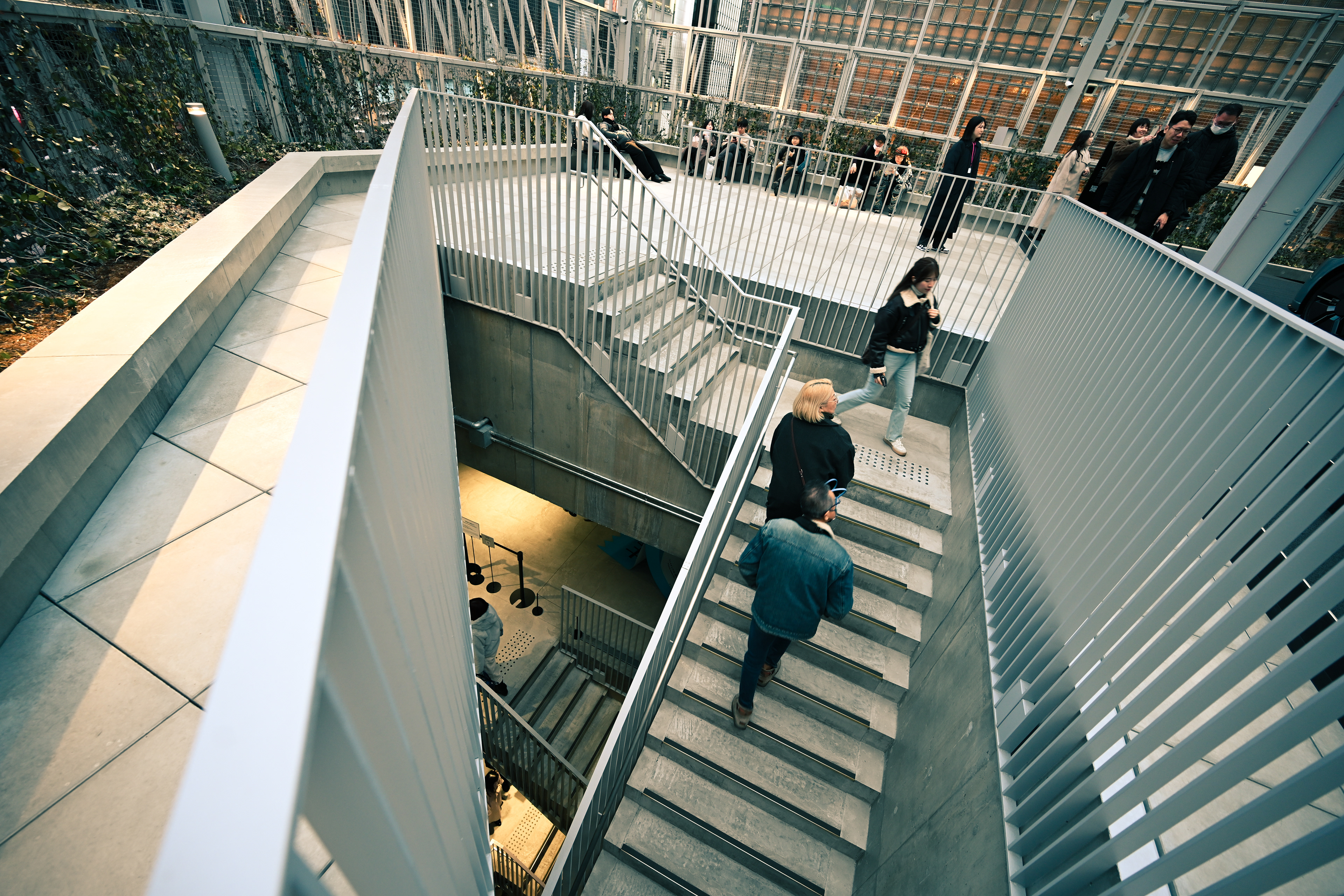
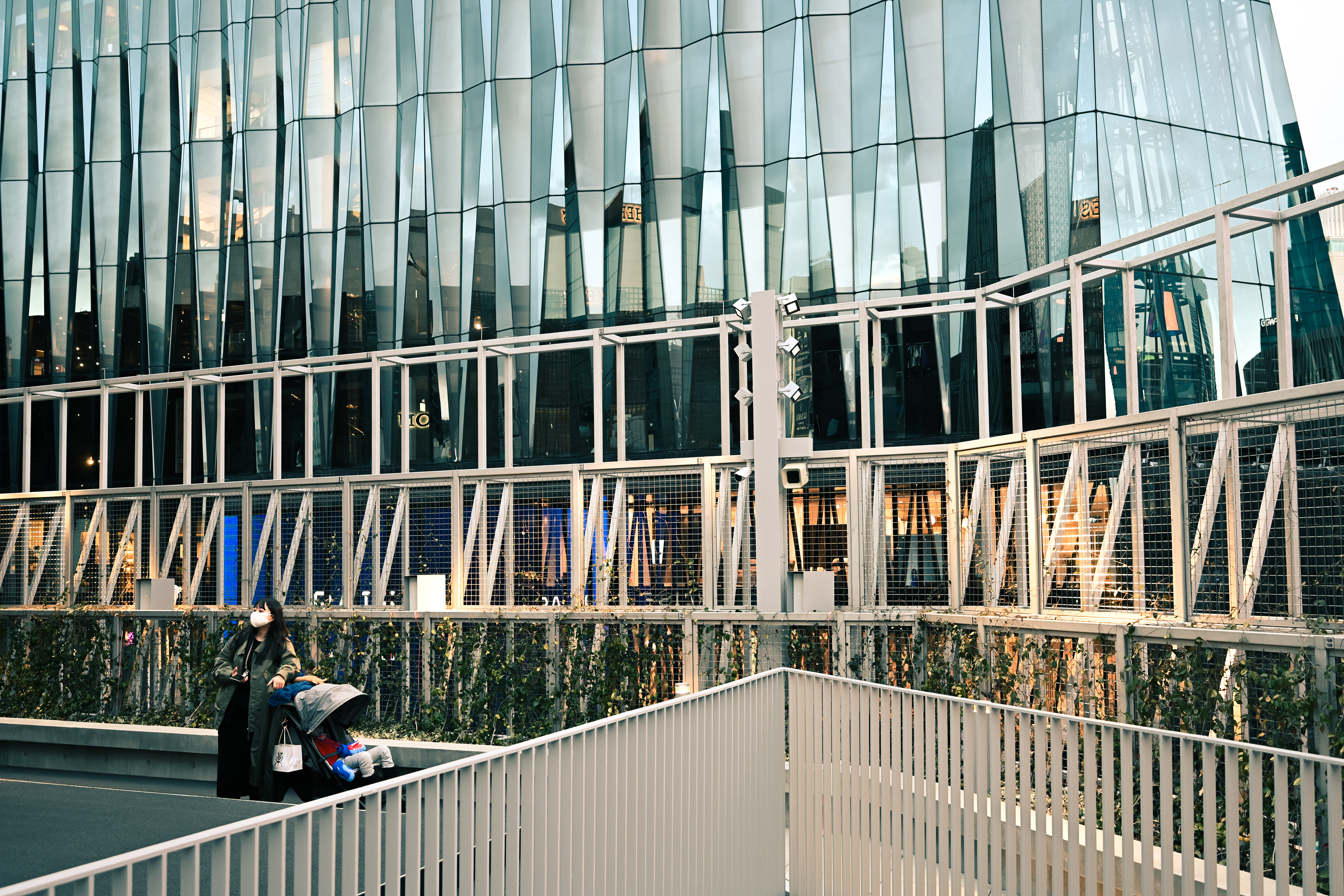
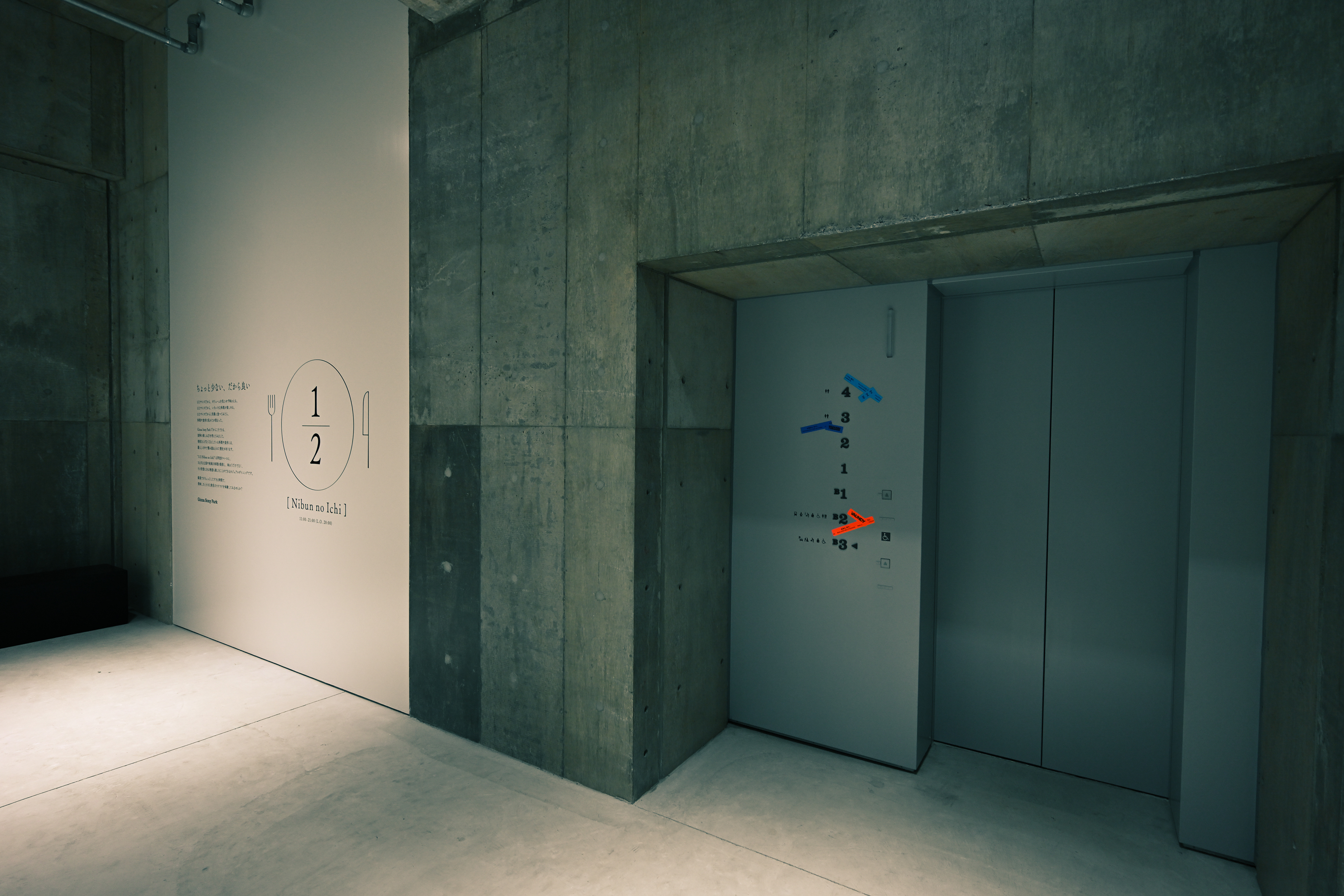
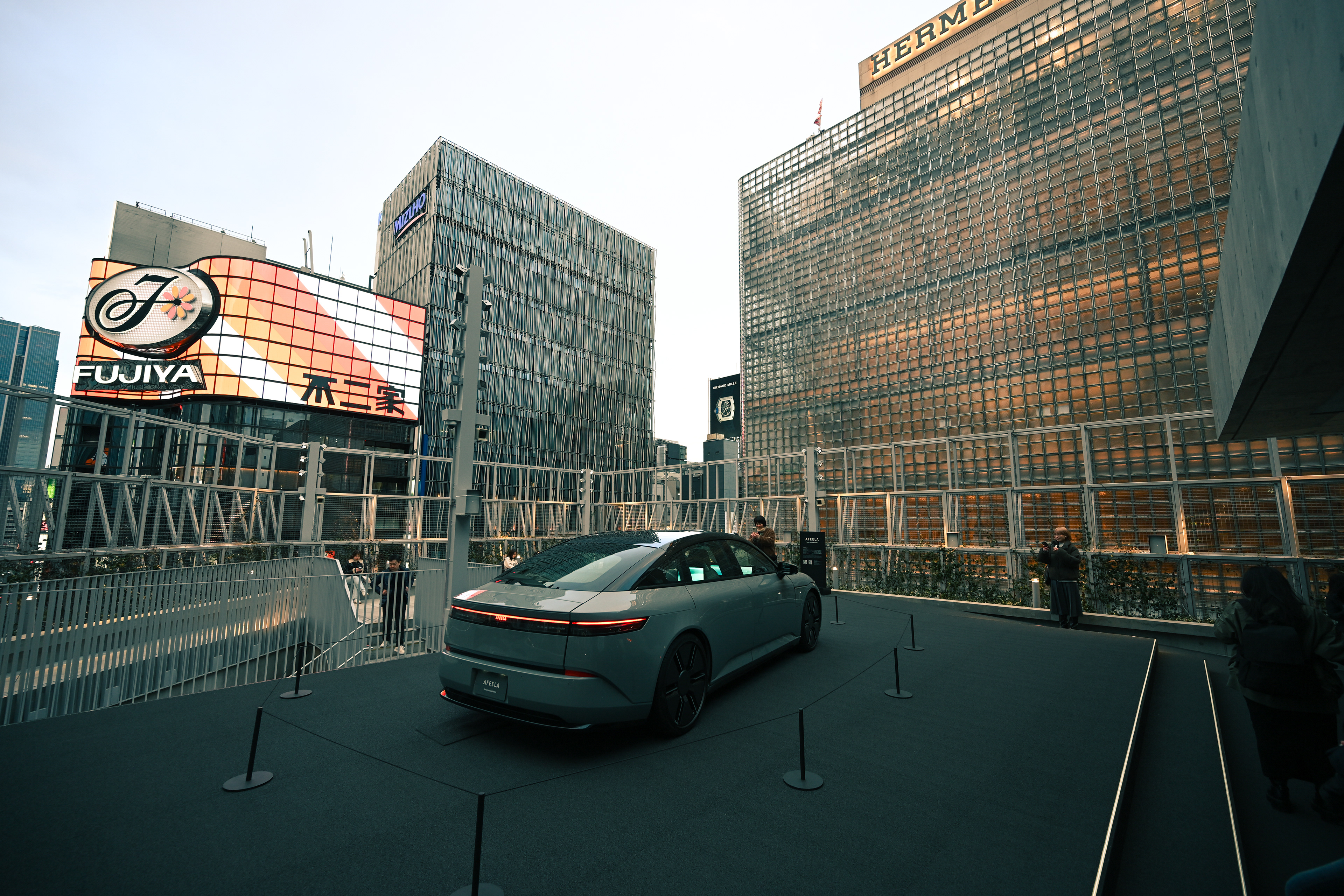
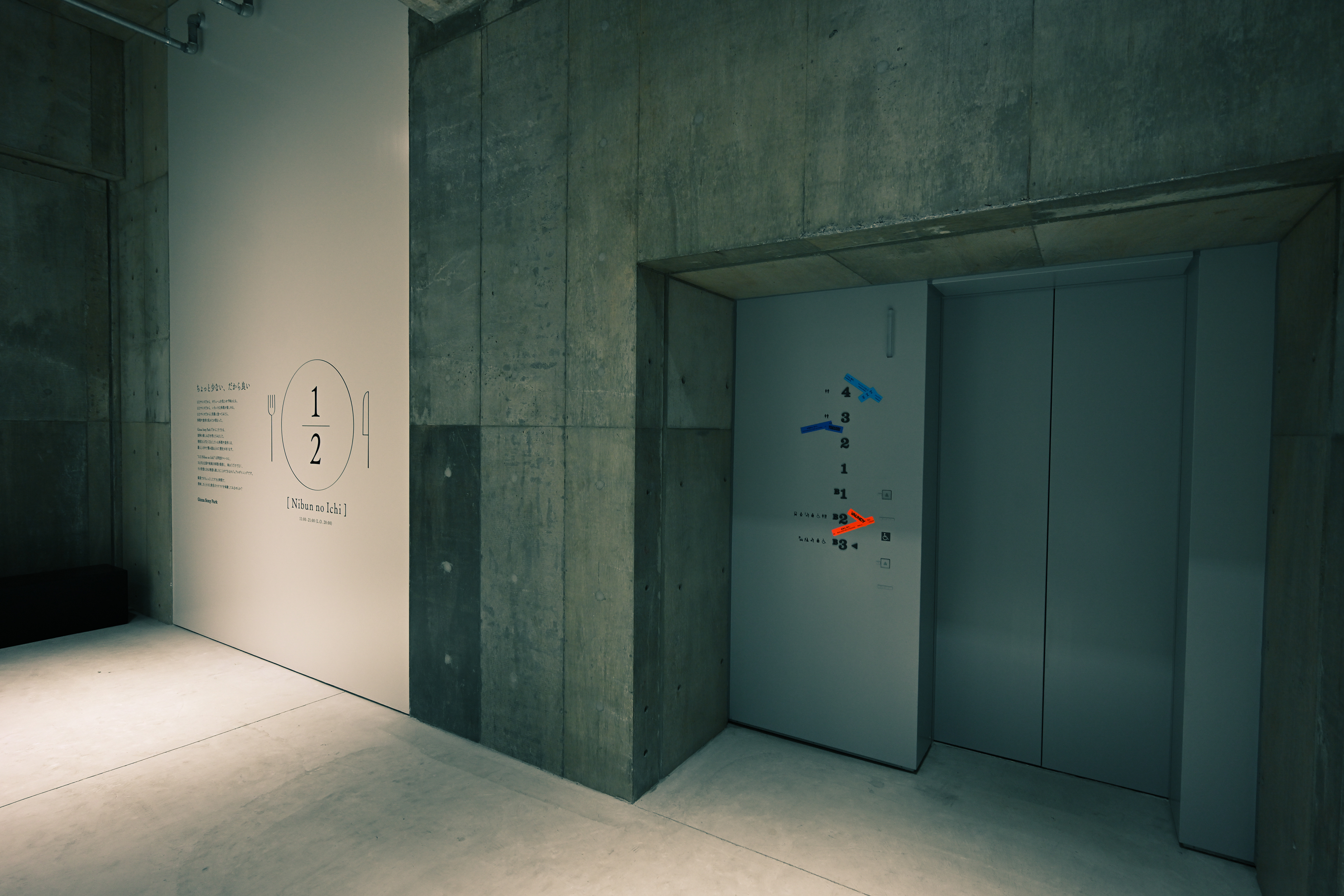
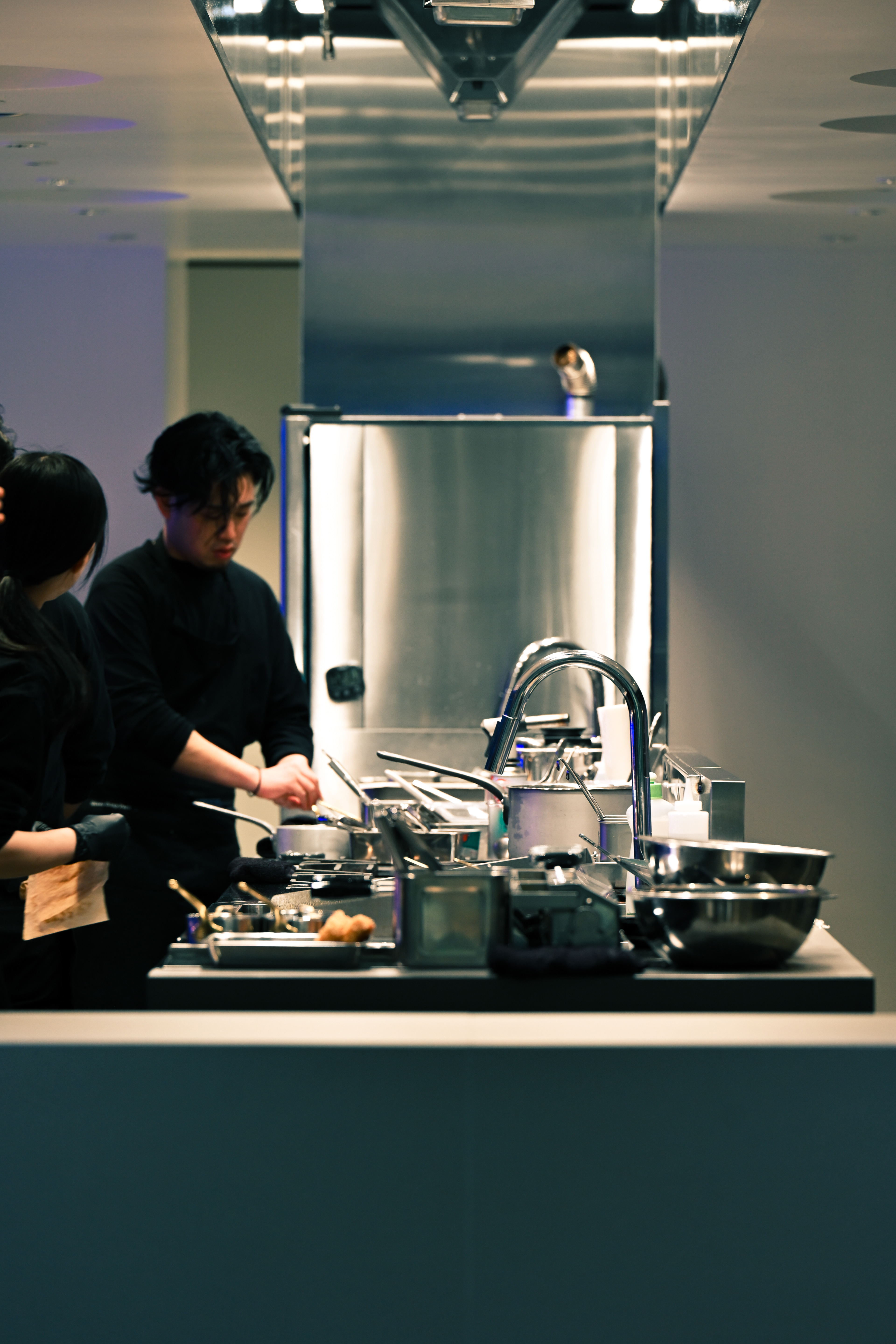
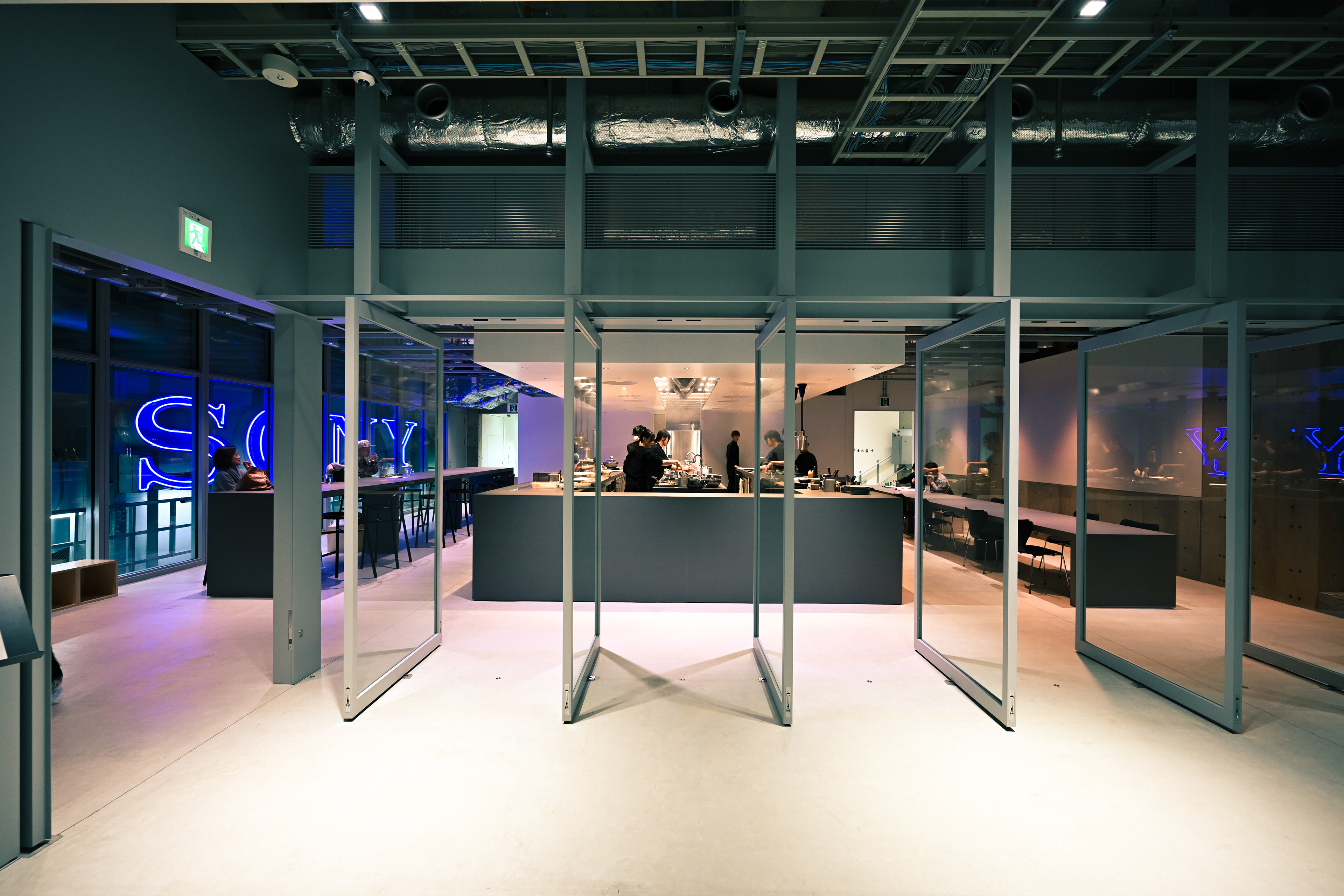
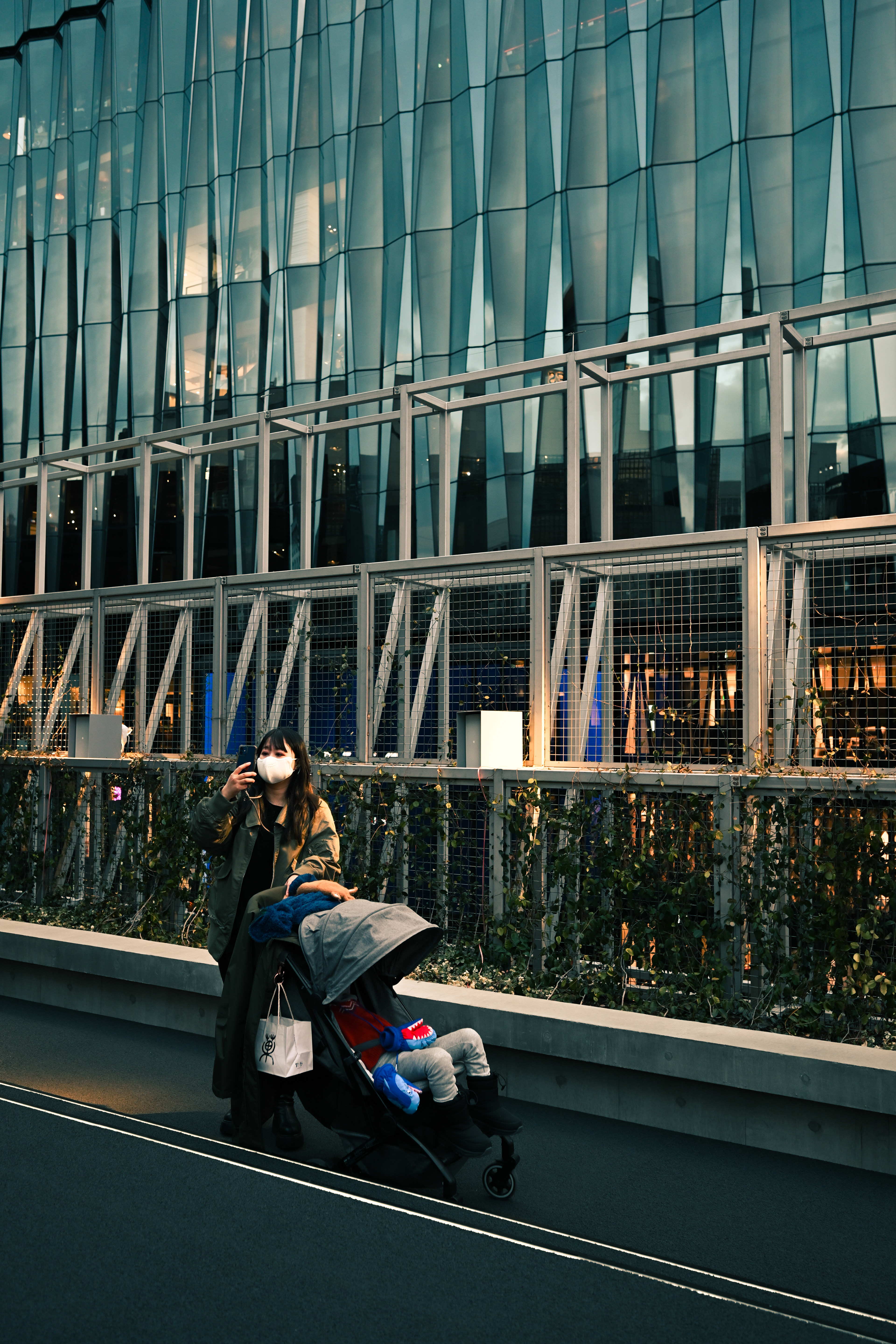
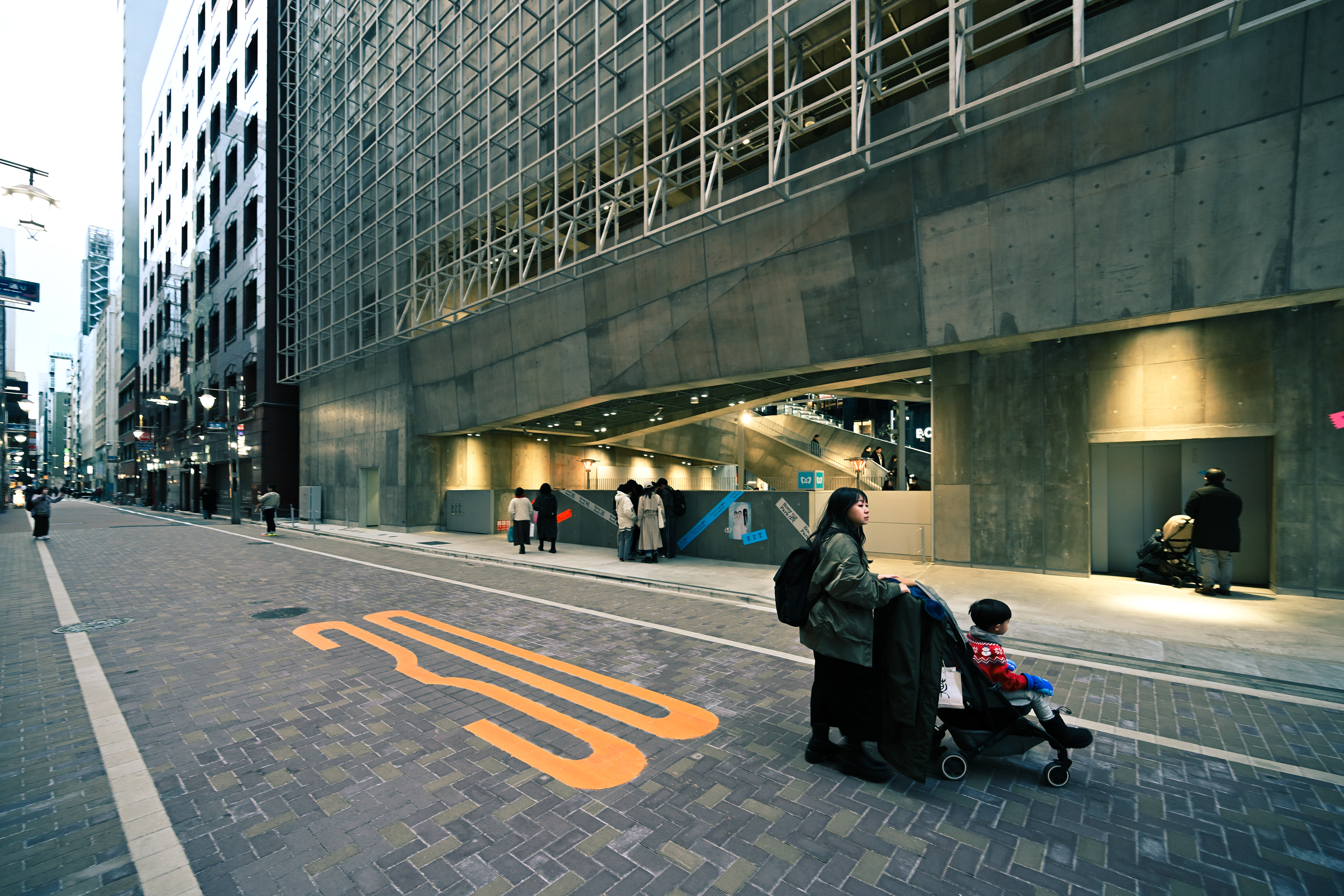
Ginza Sony Park(銀座索尼公園)是位於東京銀座的都市公園,
最初是 Sony Building(索尼大廈)的所在地。
Sony Building 於 1966 年落成,並於 2017 年拆除,
之後以「變化中的公園(Park in Progress)」概念進行開發。
第一階段的 Ginza Sony Park 於 2018 年開幕,並在 2021 年暫時關閉進行重建。
2025 年 1 月 26 日,新版 Ginza Sony Park 正式開幕,成為一座融合建築、科技、文化與綠化的創新空間。
Ginza Sony Park is an urban park located in Ginza, Tokyo, originally the site of the Sony Building.
The Sony Building was completed in 1966 and demolished in 2017. 
It was then redeveloped under the concept of a “Park in Progress.”
The first phase of Ginza Sony Park opened in 2018 and was temporarily closed in 2021 for reconstruction.
On January 26, 2025, the new Ginza Sony Park officially opened, 
becoming an innovative space that integrates architecture, technology, culture, and greenery.
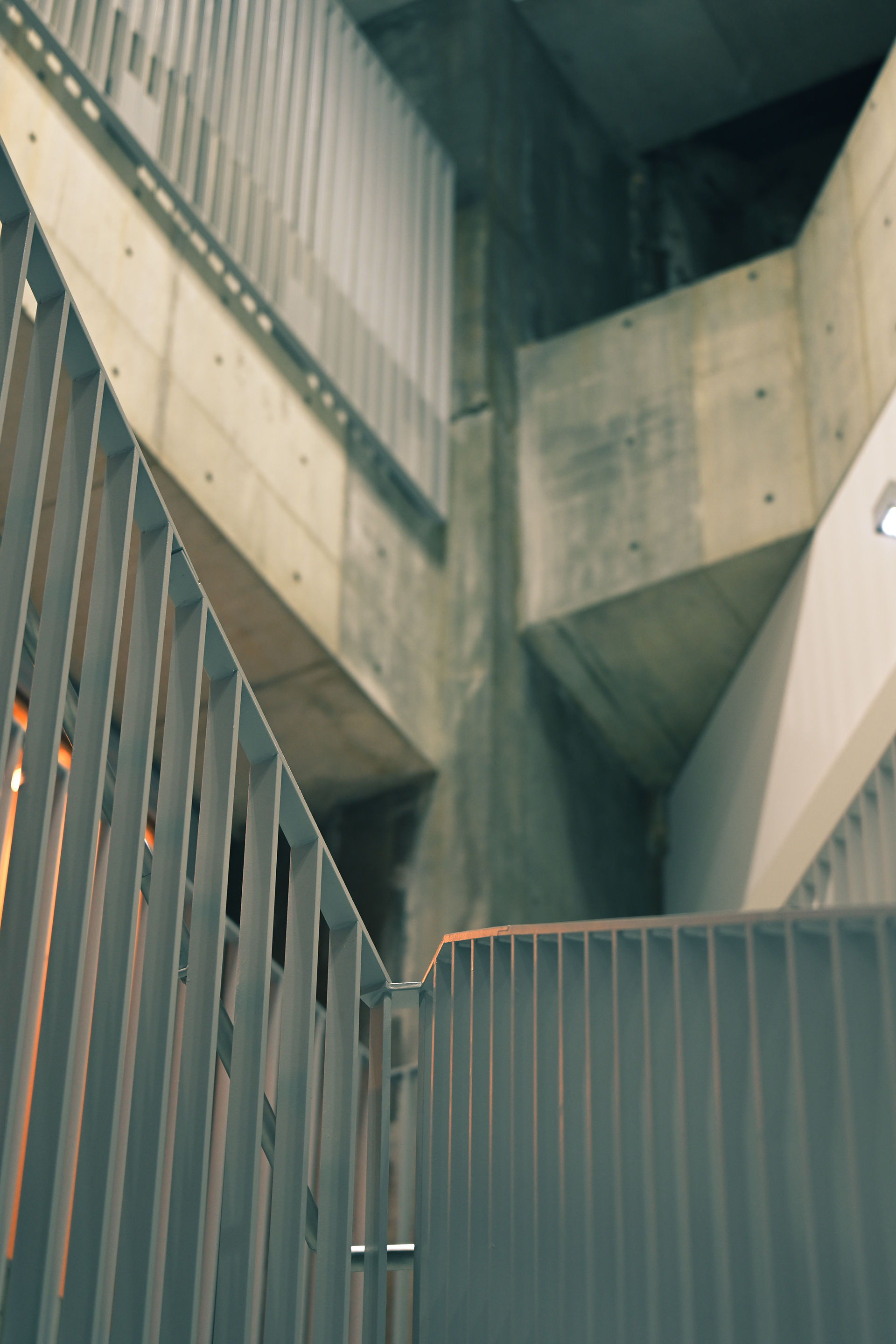
Ginza Sony Park 的前身 Sony Building,這座大樓不僅是當時最先進的商業建築之一,還採用了「斜坡式樓層設計」
使參觀者能夠自然地從一層移動到另一層,提升購物與參觀體驗。
如同紐約的古根漢美術館-參觀者搭乘電梯到達頂樓後,可以沿著螺旋狀的長廊,
一邊欣賞館藏,一邊自然地走到美術館的最底層。
這種設計理念與 Ginza Sony Park 延續的「開放式空間」概念一脈相承。
雖然 Sony Building 已於 2017 年拆除,但蘆原義信的建築風格與理念仍影響著新版 Ginza Sony Park,
使其成為銀座地區獨具特色的都市綠地與創意空間。
The predecessor of Ginza Sony Park, the Sony Building, 
was one of the most advanced commercial buildings of its time. 
It featured a “sloped floor design,” allowing visitors to naturally move from one floor to another, 
enhancing the shopping and visitor experience.
Similar to the Guggenheim Museum in New York, 
where visitors take an elevator to the top floor and then walk down a spiral ramp while viewing exhibits, 
the Sony Building adopted a similar approach, enabling a seamless and engaging exploration of the space.
This design philosophy aligns closely with the “open space” concept carried forward by Ginza Sony Park.
Although the Sony Building was demolished in 2017, 
Yoshinobu Ashihara’s architectural style and principles continue to influence the new Ginza Sony Park, 
making it a unique urban green space and creative hub in the Ginza district.

You may also like

360 CHICAGO
2016
360顧名思義就是有360度全景,位於約翰漢考克中心 94 樓的觀景台,設置可傾斜達30的玻璃瞭望平台,可從 1000 英尺的高度俯瞰市景。
獵人角南濱公園HUNTER'S POINT SOUTH PARK
2016
位在紐約曼哈頓島對面的獵人角公園是由SWA/Balsley和Weiss/Manfredi事務所共同打造。該設計團隊採用創新的永續發展性策略,將基礎設施、景觀以及建築融為一體,並與周圍社區相連,將城市帶入公園,將公園引至海濱,最終形成了這個具有地標意義的開放空間。
科隆主教座堂Kölner Dom
2018
科隆主教座堂,位於德國科隆的一座天主教主教座堂。157公尺高的鐘樓使得它成為德國第二(僅次於烏爾姆市的烏爾姆主教座堂)、世界第三高的教堂,另外也是世界上第三大的哥德式教堂(前兩位是塞維亞主教座堂和米蘭主教座堂),它以法國蘭斯主教堂和亞眠主教座堂為範本,是德國第一座完全按照法國哥特盛期樣式建造的教堂。 The Cologne Cathedral, located in Cologne, Germany, is a Roman Catholic cathedral. Its bell tower, standing at 157 meters high, makes it the second tallest church in Germany (after the Ulm Cathedral) and the third tallest in the world. Additionally, it is the third largest Gothic cathedral in the world, following the Seville Cathedral and the Milan Cathedral. It was modeled after the French cathedrals of Reims and Amiens and is the first church in Germany built entirely in the French High Gothic style.
時空暗線 the dark line
2023
仿效西班牙Tussols Basil Athletics Stadium田徑場旁休憩平台,以鏽蝕鋼筋格柵的高架鋪面取代原有車輛路徑,遊客可近距離觀察鋪面下方被保留的原始地貌,同時也拉開與生物棲地形塑喘息空間,伴隨兩旁感應式的間接光,使遊客沉浸在隧道內疊水逕流與光影交織。 Inspired by the resting platform next to the Tussols Basil Athletics Stadium in Spain, the original vehicle path is replaced with an elevated surface made of rusted steel grating. Visitors can closely observe the preserved original terrain beneath the surface, while also creating a breathing space away from the biological habitat. Accompanied by indirect lighting on both sides that responds to movement, visitors are immersed in the interplay of flowing water and light and shadow within the tunnel.
FORESTGATE DAIKANYMA
2025
帝國大廈Empire State Building
2016
世界上第51高的摩天大樓,也是保持世界最高建築地位最久的摩天大樓(1931-1972年)。樓高381公尺、103層,於1951年增添的天線高62公尺,提高其總高度至443公尺,由Shreeve, Lamb, and Harmon建築公司設計,為裝飾風藝術建築,大樓於1930年動工,於1931年落成,建造過程僅410日,有著世上罕見的建造速度紀錄。
KITAYA PARK北谷公園
2024
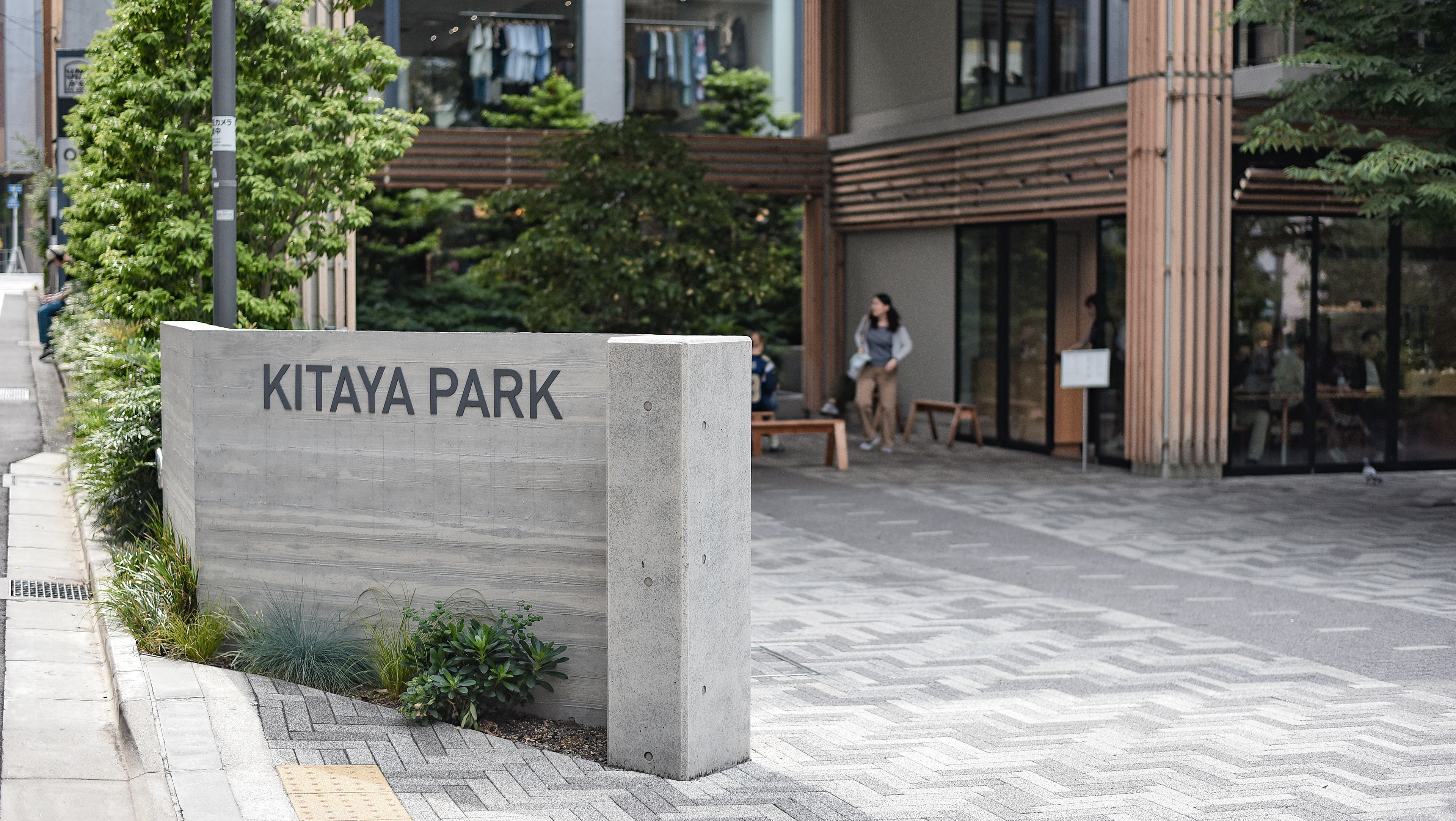
北谷公園『Kitaya Park』為東急集團、株式會社與日建設計所組團隊於2021年改造完成,配合近年東京都修改都市公園法, Park-PFI公募設置管理制度,賦予私人企業開發與經營權,換取公共空間的改善或公共建設的互利模式,尤其北谷公園這塊從原有法定容積2%上限值提高至12%,更對原有腹地不大的地塊成為一大助力。 北谷公園的另一大特色為地形的高低段位差,地塊設計利用花台與階梯的錯落保留了通透的視野,而視野最佳的位置則留給了目前外包經營的Blue Bottle。本案從前期開發整合到因應地形設計至最後運營管理皆全盤考慮,使北谷公園雖為口袋鄰里公園尺度,但軟硬體兼顧的全方位策略是極其成功的關鍵因素。 Kitaya Park was transformed in 2021 by a team from the Tokyu Group and Nikken Sekkei. This project aligns with recent amendments to Tokyo's Urban Park Law, which introduced the Park-PFI public offering management system, granting private enterprises the rights to develop and operate parks in exchange for improvements to public spaces or mutual benefits in public construction. Notably, the allowable floor area ratio for Kitaya Park was increased from the original statutory limit of 2% to 12%, providing significant support for the relatively small plot of land. Another major feature of Kitaya Park is the variation in elevation across the terrain. The design of the site incorporates flower beds and staggered steps to maintain an open view, with the best vantage point reserved for the currently outsourced operator, Blue Bottle. The project considered everything from initial development integration to terrain-responsive design and final operational management, making Kitaya Park, despite its small neighborhood park scale, a highly successful example of a comprehensive strategy that balances both soft and hard elements.
東京安縵AMAN TOKYO
2017
有一種美學,稱為安縵美學; 有一群追隨者,叫做「安縵痴」(Aman Junkie)。 Aman Tokyo 座落在東京都金融區大手町的商辦建築群中,由已故奢華酒店設計大師Kerry Hill操刀,整體設計低調隱密,藏於樓高33F至38F之間,迎賓大廳採光引介天頂和紙文化工藝,伴隨暖黃色光暈灑落,配合壁面深色石材,充滿內斂與禪意。 There is an aesthetic known as Aman aesthetics; There is a group of followers called "Aman Junkies." Aman Tokyo is located in the financial district of Otemachi, Tokyo, within a complex of commercial buildings. It was designed by the late luxury hotel design master Kerry Hill. The overall design is understated and discreet, hidden between the 33rd and 38th floors. The lobby features natural light introduced through a skylight and incorporates traditional Japanese paper craft, accompanied by a warm yellow glow that falls softly, complemented by dark stone walls, exuding a sense of restraint and Zen.
蝶舞澗 The Tale Of Butterfly
2022
在2022的年末安排了一宿露營, 很幸運的避開人潮時段, 以近乎包場的品質沉浸在山林間的寧靜。
湖岸東公園lake shore east park
2016
湖岸東公園作為整體開發案核心處,四面環繞住商複合式大樓,所面臨的挑戰之一便是媒合新闢園區與既有三層街道系統中,同時營造出一個吸引視覺和對行人友好的社區。解決方案以複層動線將車輛與地面設施和建築入口錯開,改由三層街道系統的中層與下層出入。因此利用周邊多層次的街道網絡,在建築的中下層設有大型停車場,而最上層的湖岸東公園 (Lakeshore East Park) 構成了發展的核心。 Lakeshore East Park, as the core of the overall development project, is surrounded on all sides by mixed-use commercial and residential buildings. One of the challenges it faces is to integrate the newly developed park area with the existing three-tier street system while creating a visually appealing and pedestrian-friendly community. The solution involves a multi-level circulation design that separates vehicle access from ground-level facilities and building entrances, directing traffic to the middle and lower levels of the three-tier street system. As a result, a large parking facility is located on the mid and lower levels of the buildings, while the top level features Lakeshore East Park, which serves as the heart of the development.
Back to Top